
Chemical Analysis
Determination of exact material composition using multiple complementary techniques: from bulk alloy verification to micro-scale chemistry of individual features and deposits. Our laboratory is in Stafford, Texas, serving Greater Houston, and we accept samples shipped from anywhere.
Laboratory
OES · LIBS · LECO · XRF · EDS
Bulk & micro chemistry
Solids · organics · wet
Chemical analysis establishes the exact composition of a material, from full bulk alloy verification to the micro-scale chemistry of a single inclusion or deposit, using the technique best matched to your sample and question.
What it determines
Chemical analysis establishes the exact composition of a material: the foundation for verifying an alloy grade, confirming a specification, or supporting a failure investigation. We select the technique to match the sample and the question, from full bulk composition to the chemistry of a single microscopic feature.
Methods available
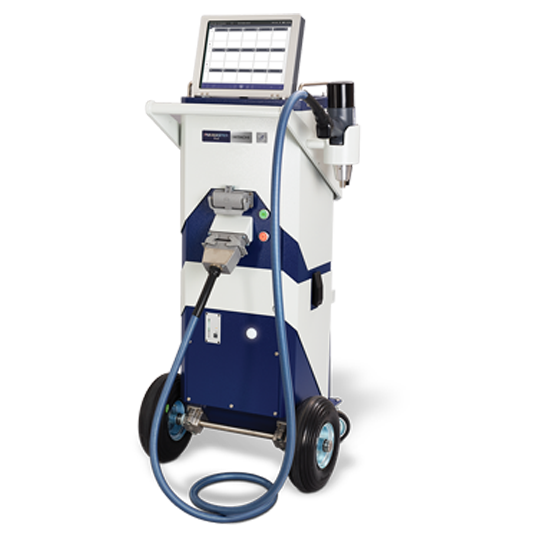
- Optical Emission Spectroscopy (OES): precise elemental composition of metallic alloys.
- LIBS (Laser Induced Breakdown Spectroscopy): rapid elemental analysis with minimal sample impact.
- LECO combustion: dedicated determination of carbon and sulfur (C/S).
- X-ray Fluorescence (XRF): non-destructive elemental identification.
- Energy Dispersive Spectroscopy (EDS), attached to the SEM, for bulk and micro chemical analysis.
Micro-scale capability
Because our EDS is integrated with scanning electron microscopy, we can pinpoint the composition of inclusions, deposits, and localized features rather than only reporting a bulk average. The system uses an advanced SDD EDS detector that provides roughly ten times more counts than a traditional liquid-nitrogen-cooled Si(Li) detector, enabling faster and more detailed X-ray mapping.
How it supports your work
Across every technique, the goal is precise material identification that feeds directly into our broader materials testing and failure analysis work, confirming that the right material was supplied and installed, and explaining the chemistry behind a problem when it was not.
Composition & analysis
OES, combustion, and spectroscopy for full chemistry.
Often ordered together
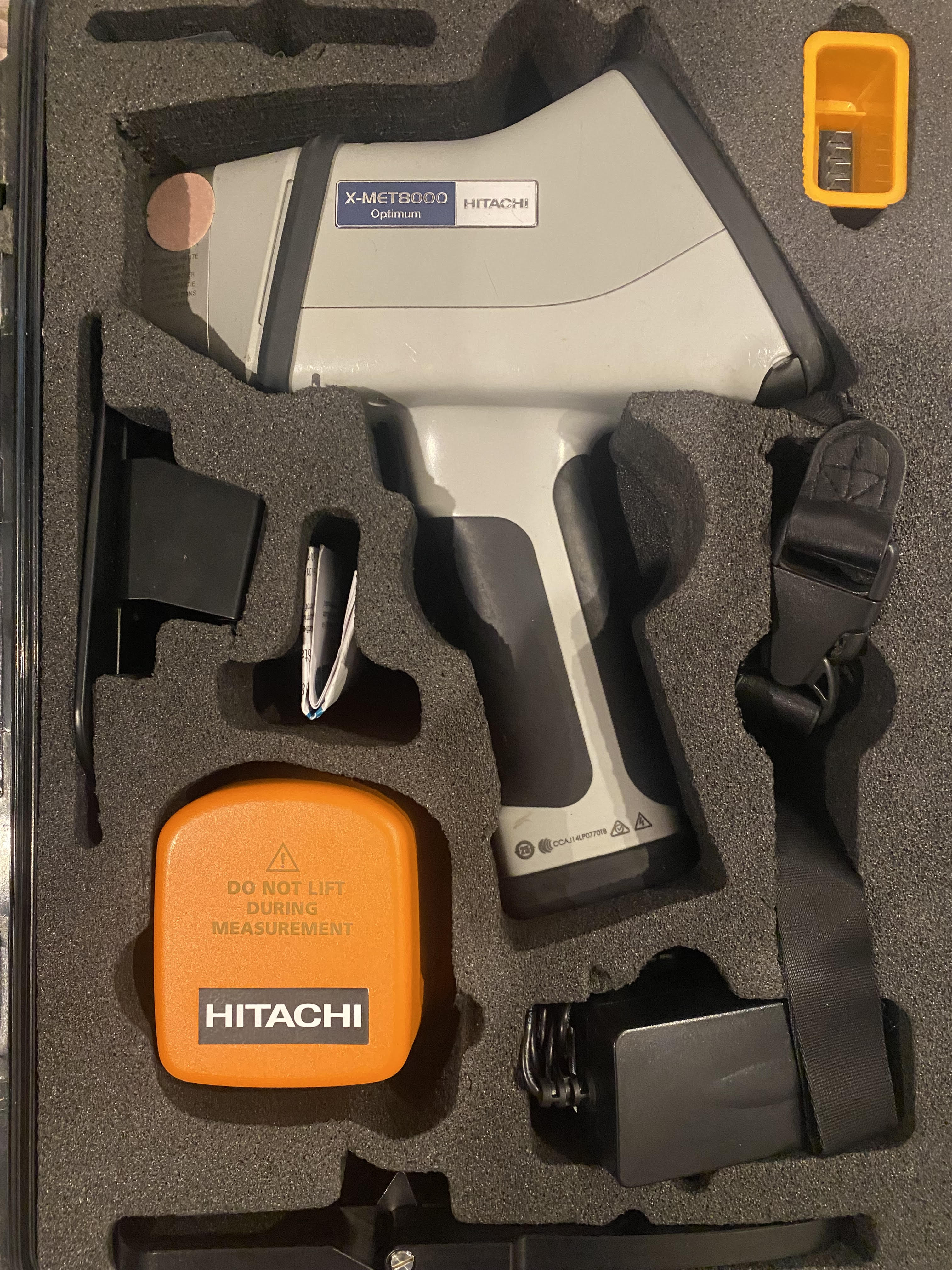
Positive Material Identification
Field verification of alloy grade for installed components and materials.
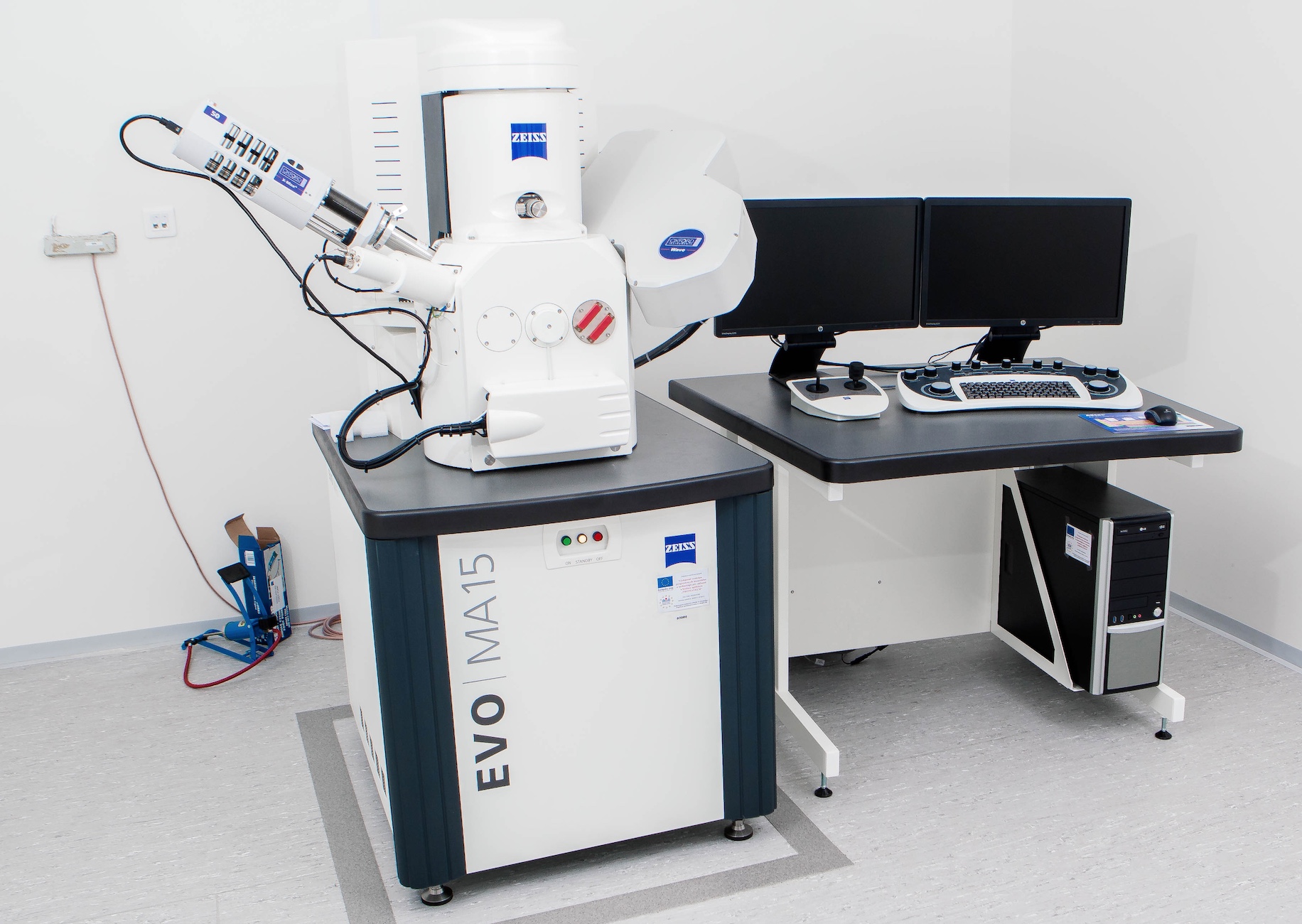
View serviceSEM-EDS
High-magnification imaging with elemental micro-analysis of features and deposits.
View serviceCorrosion Analysis
Chemistry of scales and deposits to identify corrosion mechanisms.
View serviceFrequently asked questions
What techniques do you use for chemical analysis?
Optical Emission Spectroscopy (OES), LIBS, LECO combustion for carbon and sulfur, X-ray Fluorescence (XRF), and SEM-EDS for bulk and micro analysis.
Can you measure carbon and sulfur?
Yes. We use dedicated LECO combustion analysis for carbon and sulfur, which is important for confirming low-carbon grades and steel quality.
Can you analyze a tiny feature instead of the whole sample?
Yes. Because our EDS is integrated with scanning electron microscopy, we can pinpoint the composition of individual inclusions, deposits, and localized features, not just a bulk average.
What sample types can you analyze?
Beyond metal coupons, the EDS method can handle solids, organic materials, and wet samples, extending precise chemical identification well beyond conventional metals.
How does chemical analysis support failure work?
It confirms whether the specified material was actually supplied and installed, and it explains the chemistry behind a problem, such as a contaminant or corrosion product, when it was not.
Need to confirm what your material is made of?
Send us the sample and the specification. Our metallurgists will select the right analytical method and deliver a defensible composition report.