

Forensic Analysis
Independent, evidence-based investigation into the root cause of material failures and damage: the metallurgical facts that stand up in litigation, insurance claims, and product disputes. Our laboratory is in Stafford, Texas, serving Greater Houston, and we accept samples shipped from anywhere.
Laboratory
SEM-EDS · FTIR
Metals · polymers · ceramics · composites
Litigation & insurance
Forensic analysis differs from ordinary failure work in how the evidence is handled. Parts are documented before anything is cut, each step is recorded, and every conclusion is tied to a physical observation another expert can re-examine, because the finding is likely to be tested by someone paid to challenge it.
What it determines
Forensic analysis determines the root causes of material failures and damage. We investigate metals, polymers, ceramics, and composites to identify whether an incident resulted from improper material selection, design flaws, manufacturing errors, misuse, or environmental factors, uncovering the truth behind the event when an accident, dispute, or product failure occurs.
Equipment & methods
Our investigations draw on a full complement of analytical tools:
- Scanning Electron Microscope (SEM) equipped with an SDD energy-dispersive X-ray spectrometry (EDS) detector.
- Advanced imaging software for documentation and interpretation.
- Full sample preparation techniques to expose and preserve the relevant evidence.
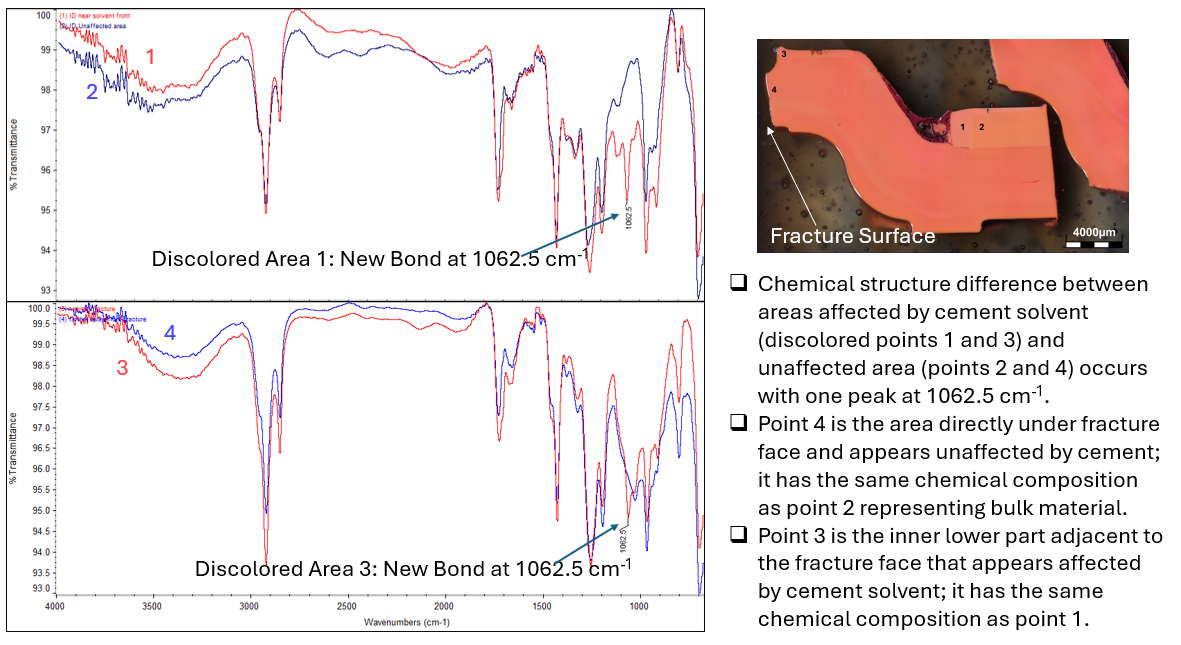
- FTIR (Fourier Transform Infrared) spectroscopy for identifying polymers, chemical changes, and contaminants.
Where it applies
The service supports litigation, insurance investigations, and root-cause determination. Representative cases from our work include:
- CPVC sprinkler adapter: analysis revealed environmental stress cracking (ESC) sites caused by improper cement joining practices, with FTIR confirming solvent attack and chemical changes.
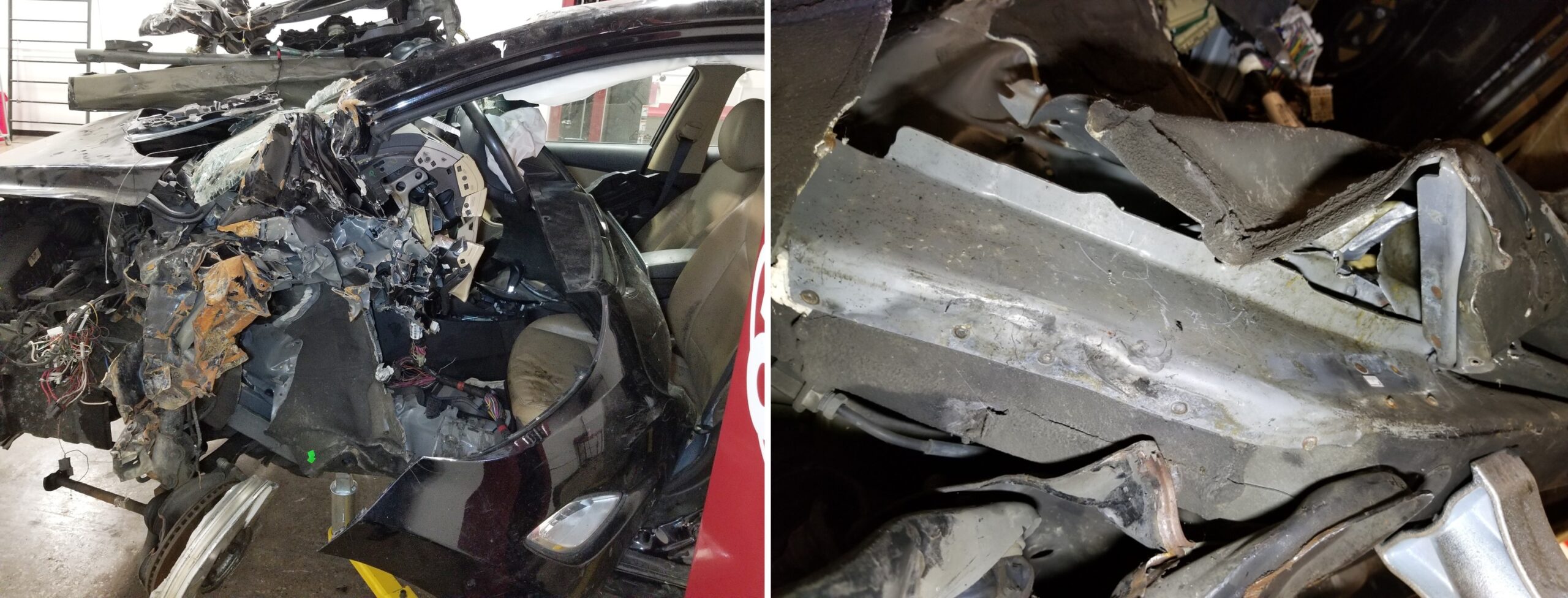
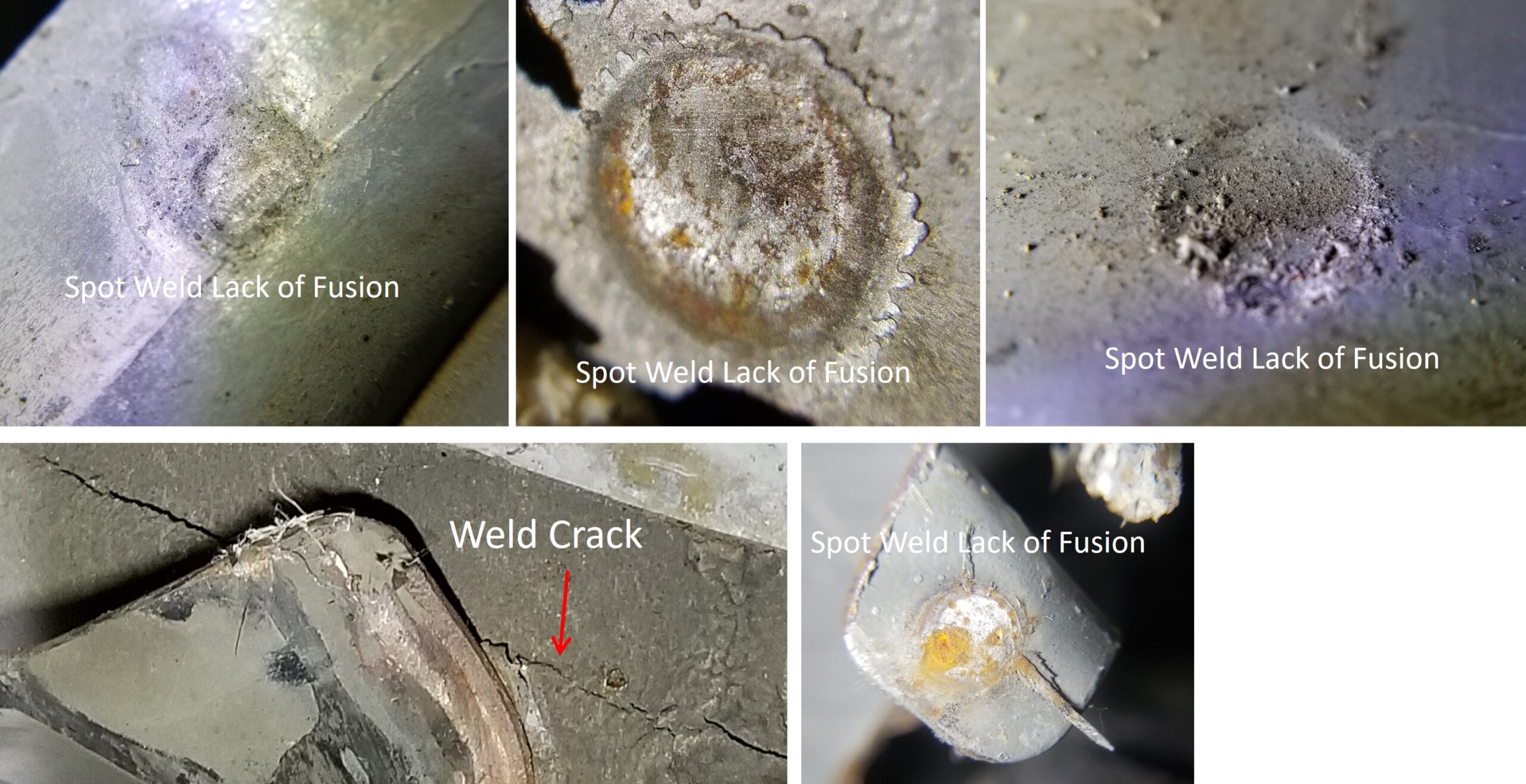
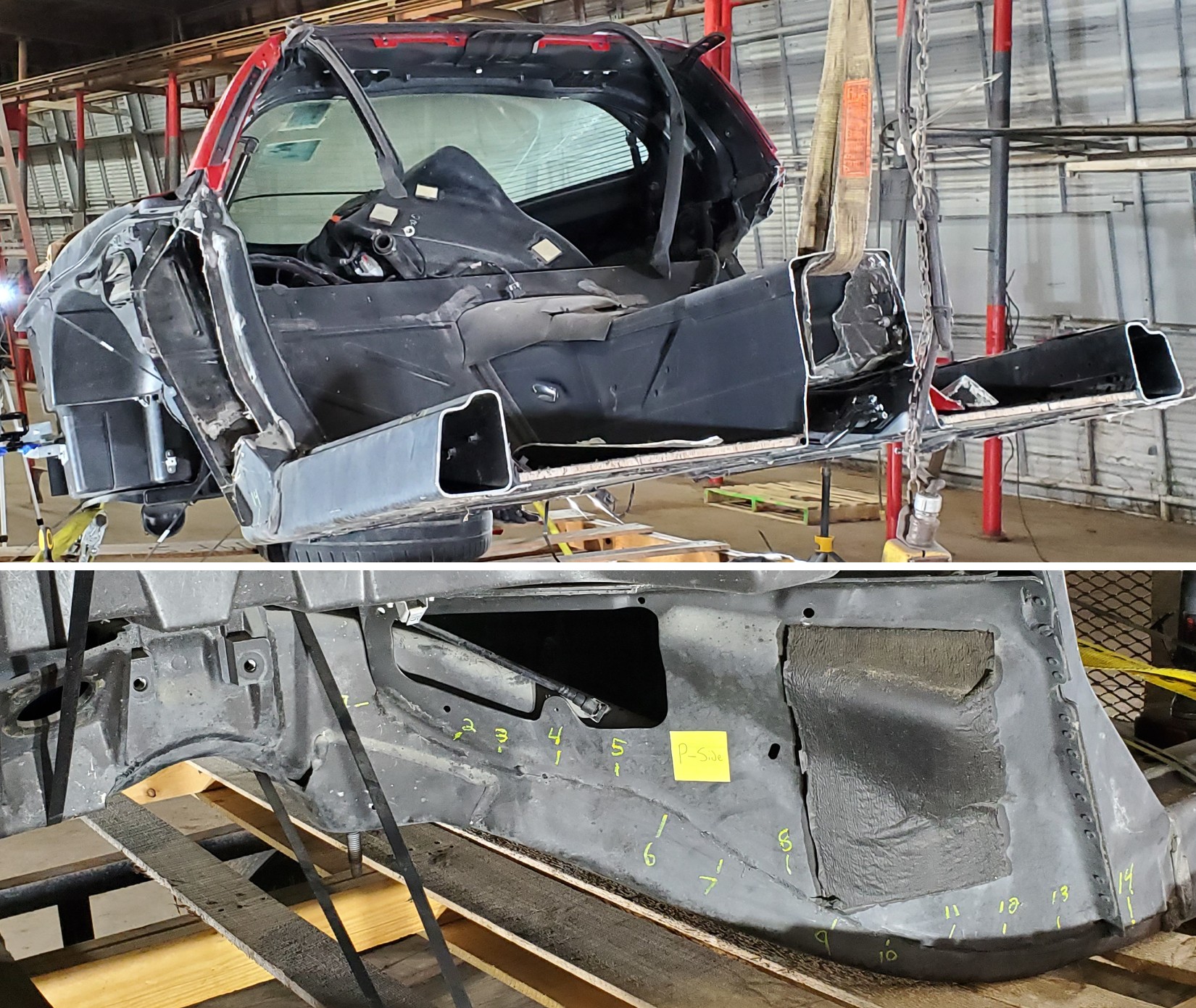
- Automotive welding: assessment of poor welding quality in a car frame following an accident to evaluate structural integrity.
Why it matters
When accidents, disputes, or product failures carry legal and financial weight, conclusions must rest on defensible physical evidence. Our forensic reporting ties every conclusion to the microscopy, chemistry, and metallurgical observations that support it.
Forensic casework
Weld quality and materials evidence for litigation support.
Often ordered together
Frequently asked questions
How is forensic analysis different from failure analysis?
The methods overlap, but forensic analysis is scoped for legal and financial weight, such as litigation, insurance investigations, and product disputes, with conclusions built on defensible physical evidence.
What materials do you investigate?
Metals, polymers, ceramics, and composites, to identify whether an incident resulted from improper material selection, design flaws, manufacturing errors, misuse, or environmental factors.
What equipment and methods do you use?
A scanning electron microscope (SEM) with SDD-EDS, advanced imaging software, full sample-preparation techniques, and FTIR spectroscopy for identifying polymers, chemical changes, and contaminants.
Can you give an example of a forensic case?
In a CPVC sprinkler adapter case, analysis revealed environmental stress cracking from improper cement joining, with FTIR confirming solvent attack. We have also assessed weld quality in a car frame following an accident.
Will the report hold up in a dispute?
Yes. Forensic reporting ties every conclusion to the microscopy, chemistry, and metallurgical observations that support it, so findings support dispute resolution and prevention.
Need to know what really happened?
Send us the evidence and the question. Our metallurgists will investigate the root cause and deliver a clear, defensible forensic report.