
Corrosion Analysis
Corrosion can compromise the integrity of critical components long before failure becomes visible. We apply advanced metallurgical methods to determine the underlying causes of material degradation, and what to do about them. Our laboratory is in Stafford, Texas, serving Greater Houston, and we accept samples shipped from anywhere.
Laboratory
Pitting · IGA · SCC
SEM · replication · hardness
Fitness-for-service & remaining life
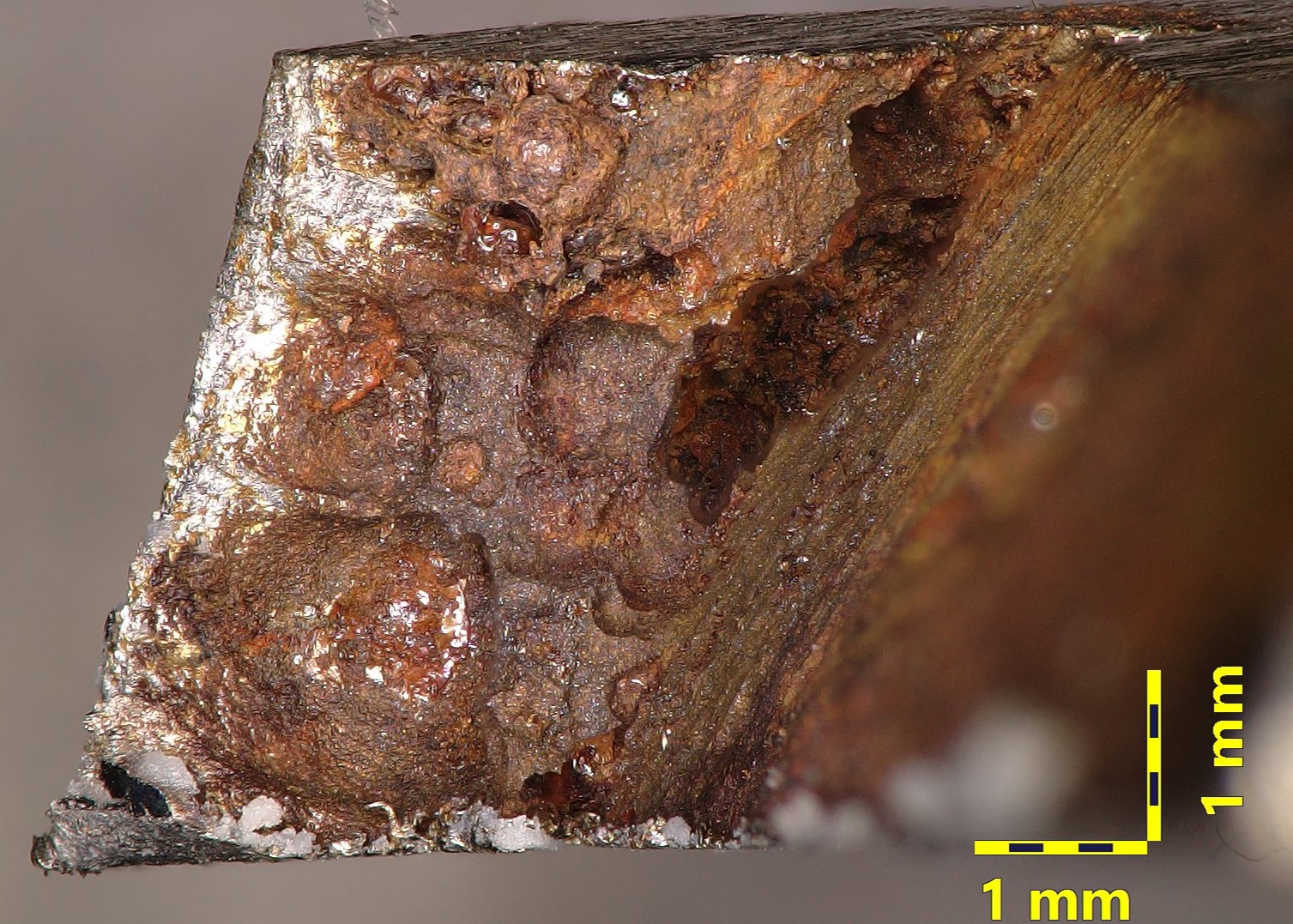
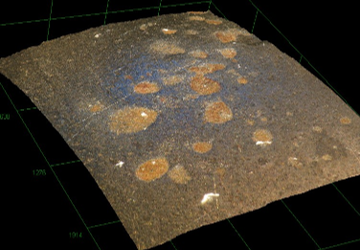
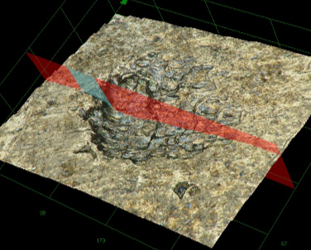
Corrosion analysis identifies the specific mechanism behind material degradation, distinguishing pitting, intergranular attack, and stress corrosion cracking, so damage can be managed before failure becomes visible and the right fix is applied.
Finding corrosion before it finds you
Corrosion can compromise the integrity of critical components long before failure becomes visible. Our corrosion analysis service applies advanced metallurgical methods to determine the underlying causes of material degradation, so that hidden damage can be understood and managed rather than discovered too late.
Analytical techniques
We draw on several specialized approaches to identify the specific corrosion mechanism at work:
- Scanning electron microscopy (SEM) for high-magnification imaging of affected surfaces
- Microstructural replication to examine structure without destructive sectioning
- Hardness testing to assess material condition
- Chemical composition analysis to confirm material and contaminant chemistry
Corrosion mechanisms we identify
These tools let us distinguish and characterize pitting, intergranular attack, and stress corrosion cracking, among other forms of degradation.
Beyond identification
The investigation does not stop at classifying the damage. We also evaluate fitness-for-service conditions and predict remaining life based on industry standards. This comprehensive approach ensures that your equipment remains safe, reliable, and compliant with operational requirements.
Field experience
Documented cases include microbiologically influenced corrosion (MIC) on carbon-steel pipe spools, stainless-steel corrosion driven by water leakage, and stray-current corrosion damage on an underground pump.
Corrosion casework
MIC, SCC, and service corrosion from field components.
Often ordered together
Failure Analysis
Root-cause investigation when corrosion has progressed to component failure.
View serviceMetallographic Examination
Cross-sectional evidence of intergranular attack, cracking, and degradation.
View serviceChemical Analysis
Confirms material and contaminant chemistry behind the corrosion mechanism.
View serviceFrequently asked questions
What corrosion mechanisms can you identify?
Pitting, intergranular attack, and stress corrosion cracking, among other forms of degradation, plus specialized cases such as microbiologically influenced corrosion (MIC) and stray-current corrosion.
Why does naming the exact mechanism matter?
Because the fix for stress corrosion cracking is nothing like the fix for pitting. Identifying the specific mechanism is what makes effective mitigation possible and protects both safety and budget.
What techniques do you use?
Scanning electron microscopy (SEM), microstructural replication (non-destructive), hardness testing, and chemical composition analysis to confirm material and contaminant chemistry.
Can you tell me if a corroded component is still safe to use?
Yes. We evaluate fitness-for-service and predict remaining life based on industry standards, so equipment stays safe, reliable, and compliant.
Can you find corrosion before the part fails?
That is the goal. Corrosion often compromises integrity long before failure is visible, and our methods reveal hidden damage so it can be understood and managed in time.
Concerned about corrosion in your assets?
Send us the affected component and its service history. We will identify the mechanism, assess fitness-for-service, and estimate remaining life in a defensible report.