

Microstructure Analysis
Examination of a material's internal structure at microscopic scale (grain size, phase distribution, inclusions, and defects) to explain how processing and service have shaped its performance. Our laboratory is in Stafford, Texas, serving Greater Houston, and we accept samples shipped from anywhere.
Laboratory
Optical · 3D · SEM-EDS
Alloys · polymers · ceramics · composites
Sectioned & etched
Microstructure analysis examines a material's internal structure at microscopic scale, its grain size, phases, inclusions, and defects, to connect how a component was made and used to how it actually performs.
What it reveals
Microstructure analysis examines a material's internal structure at microscopic scales to explain how it was made and how it has behaved in service. By resolving the features hidden below the surface, we connect a component's grain size, phase distribution, inclusions, porosity, and microstructural defects directly to its measured performance.
How we prepare the sample
Each specimen is prepared through a controlled sequence of sectioning, mounting, polishing, and etching to reveal its structural features, then imaged for interpretation. The service covers a wide range of material types, including alloys, polymers, ceramics, and composites.
What we evaluate
- Grain size and grain flow evaluation
- Inclusion and speck identification
- Porosity and bonding assessment
- Surface deposits and coating analysis
- Unknown particle or material identification
- Material processing evaluation
- Failure mechanism and crack development analysis
Equipment & techniques
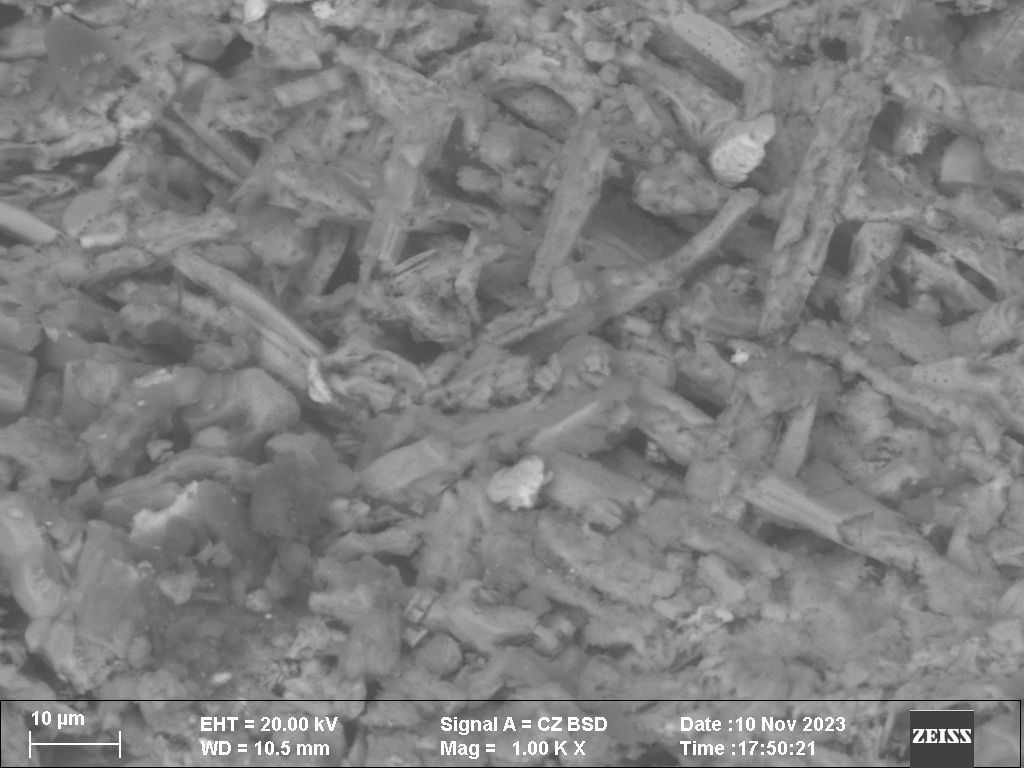
Our facility applies optical and 3D microscopy along with scanning electron microscopy (SEM) with energy-dispersive spectroscopy (EDS) to characterize structure and composition together. This combination lets us evaluate how processing and service conditions affect performance and identify the mechanisms behind a potential or actual failure.
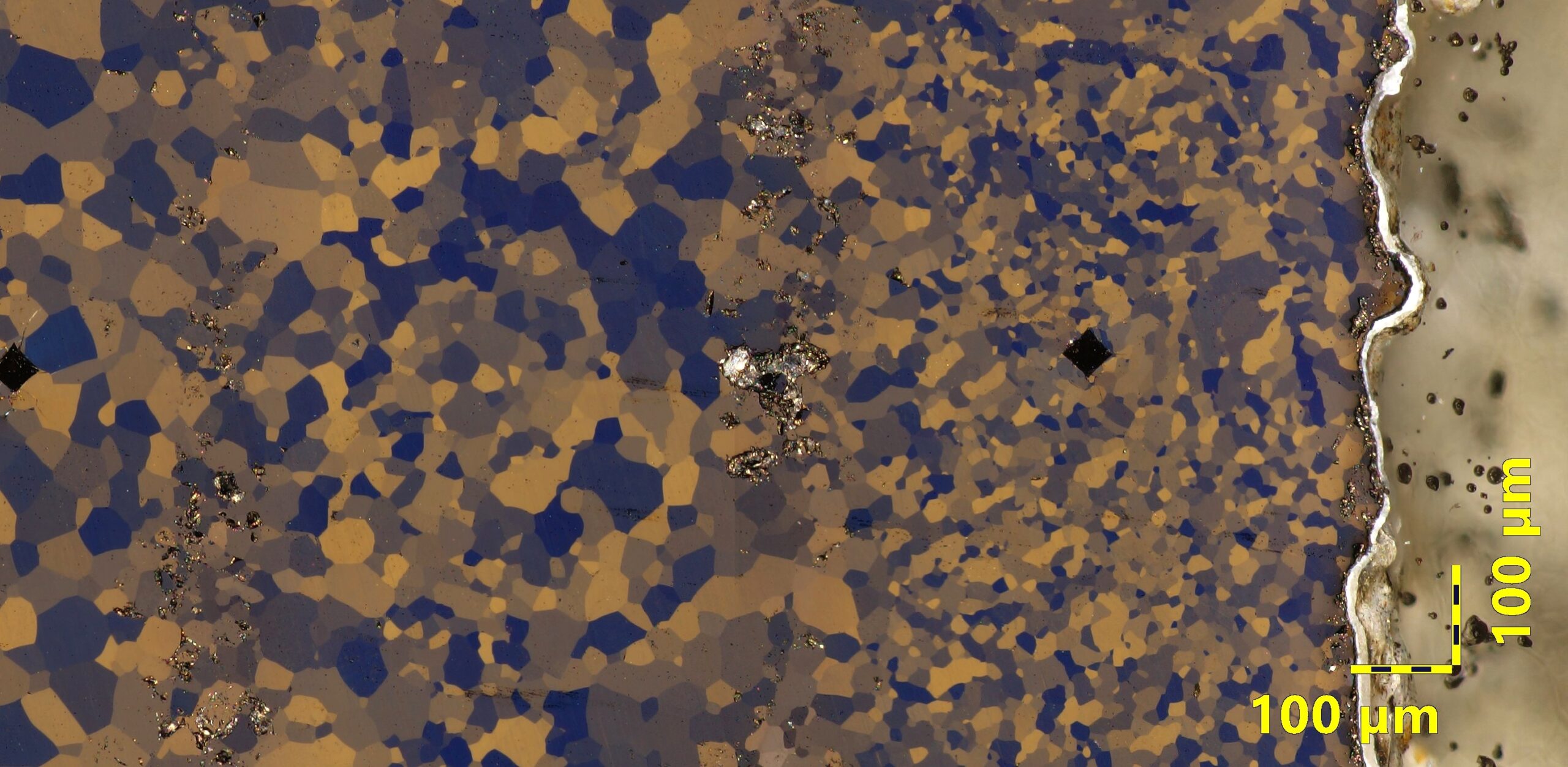
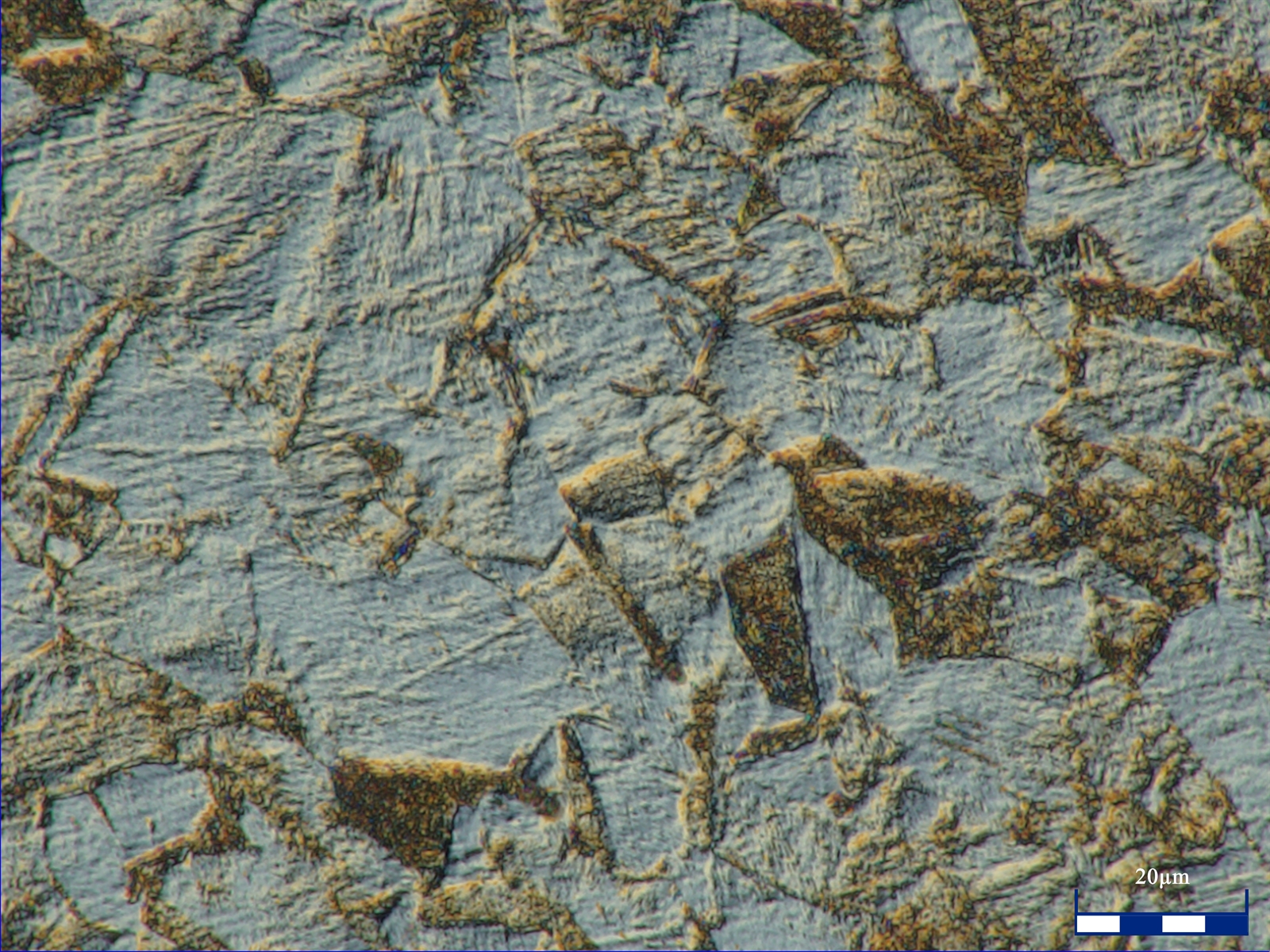
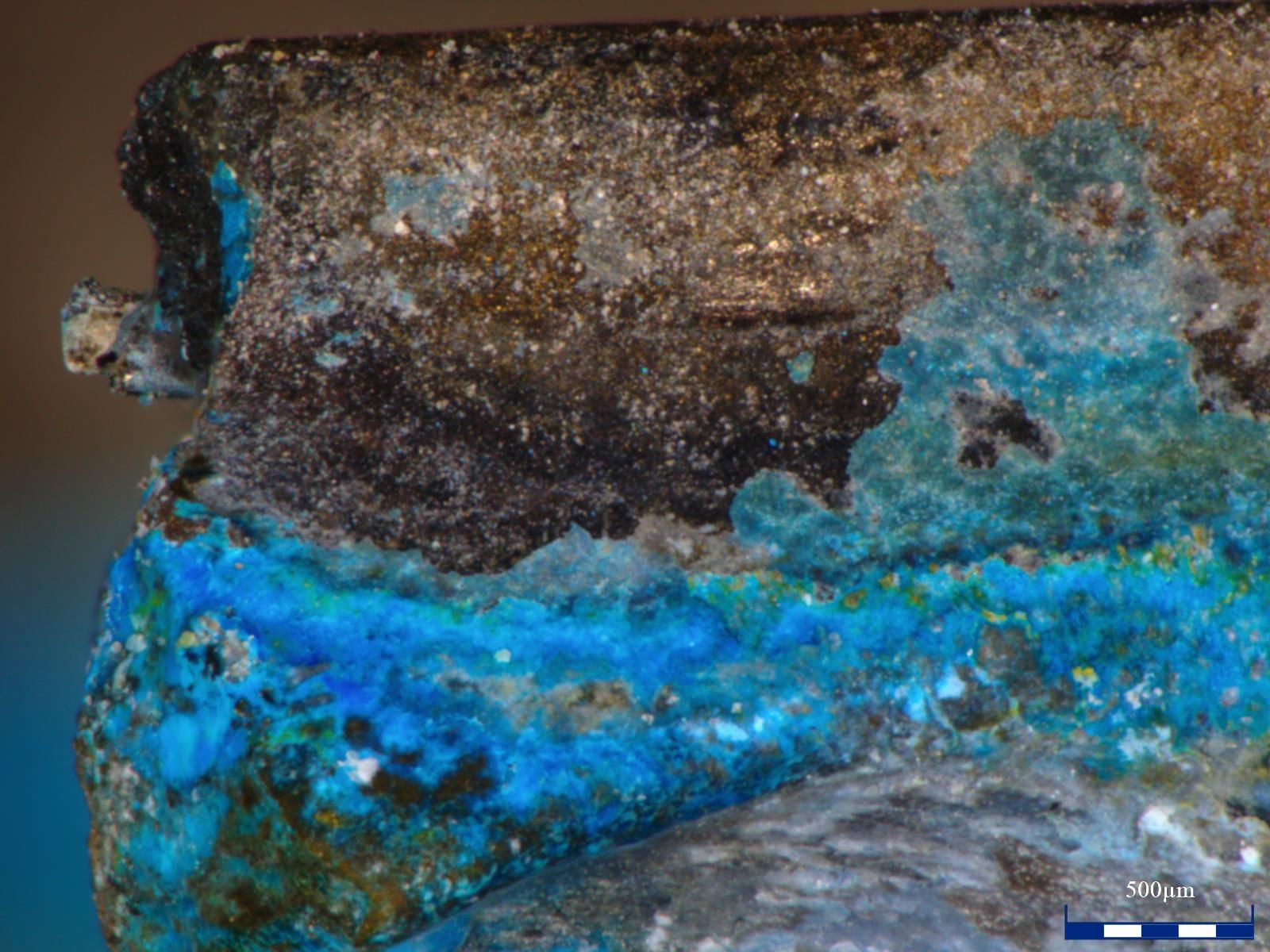
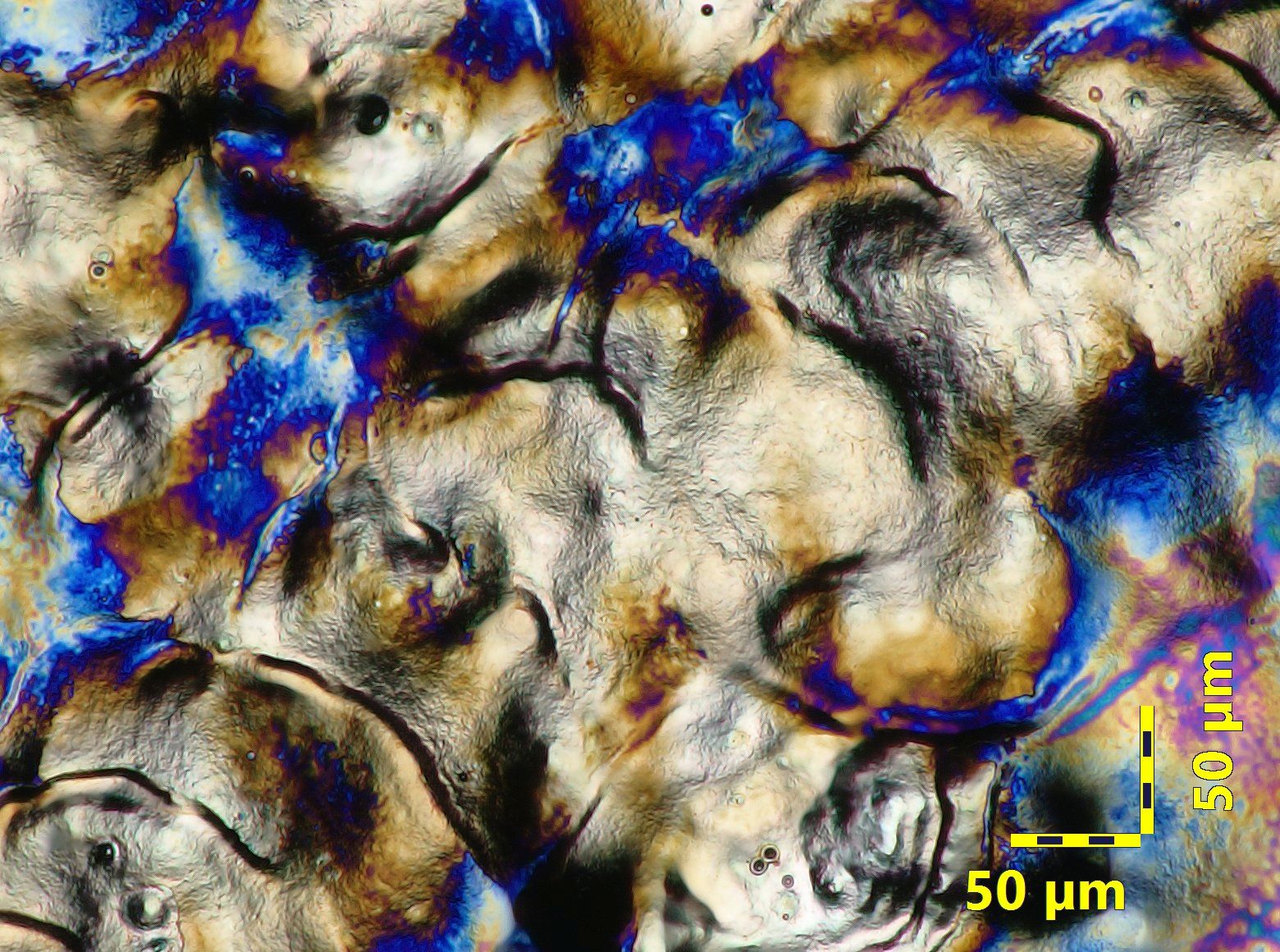
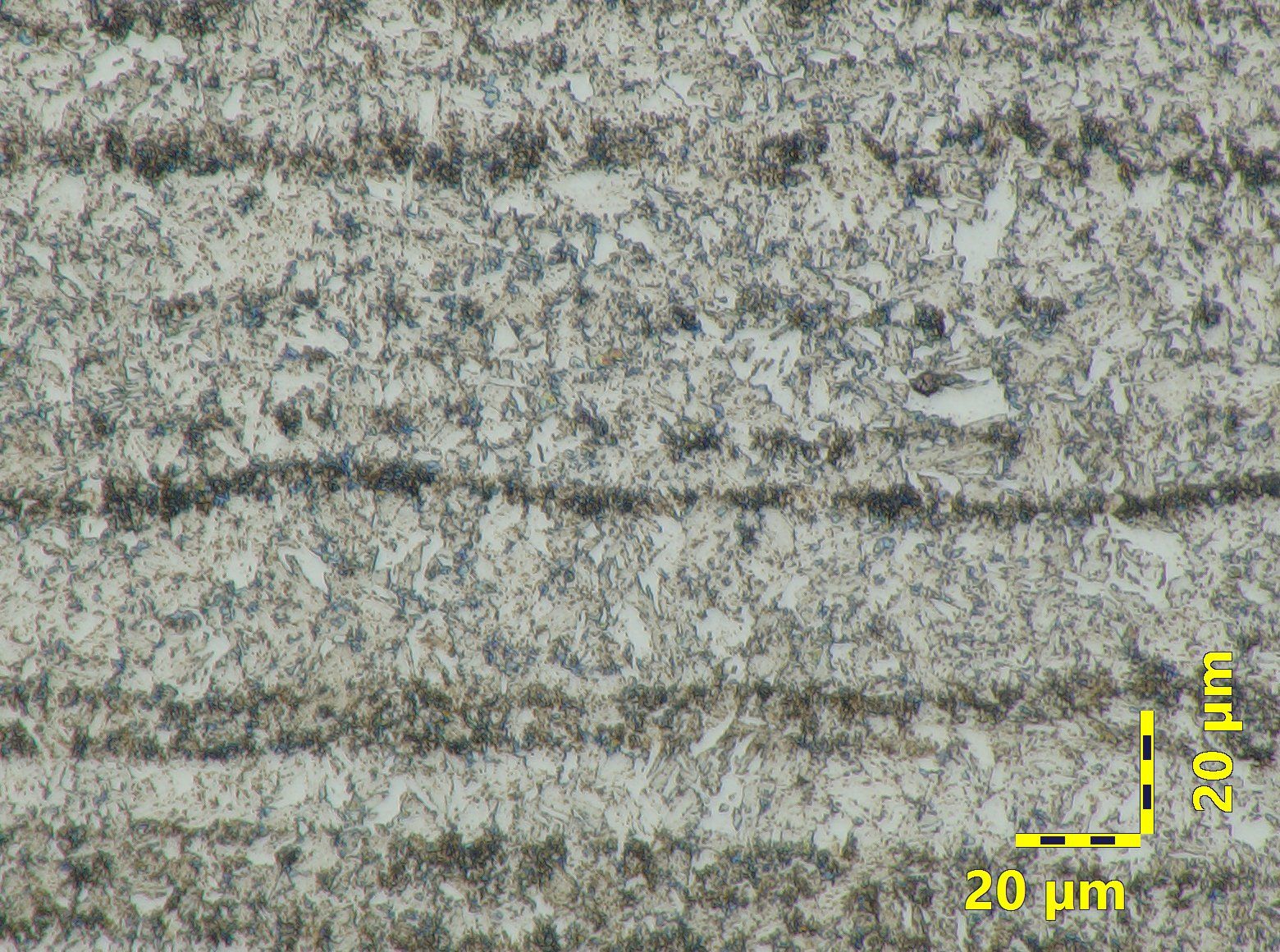
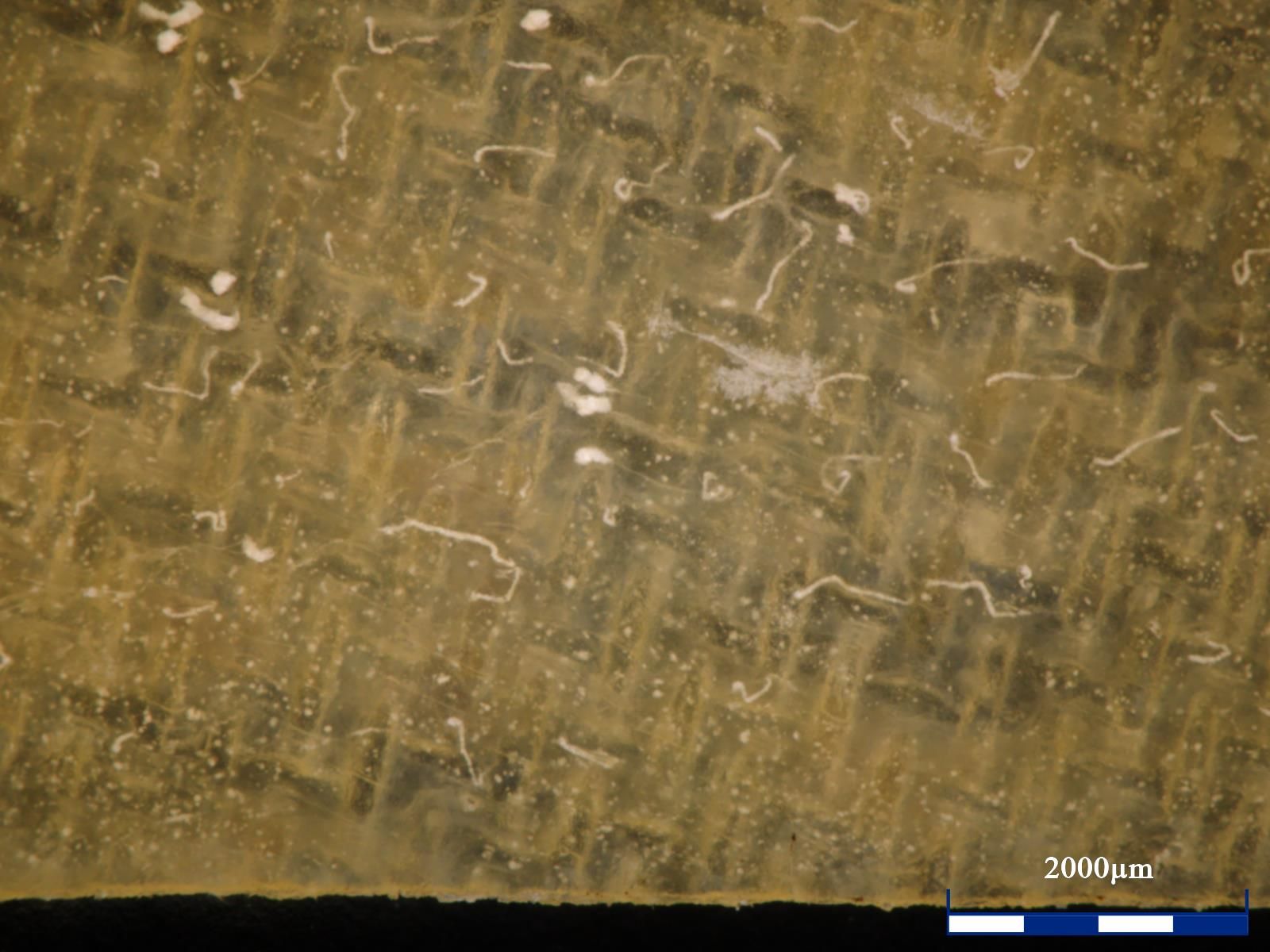
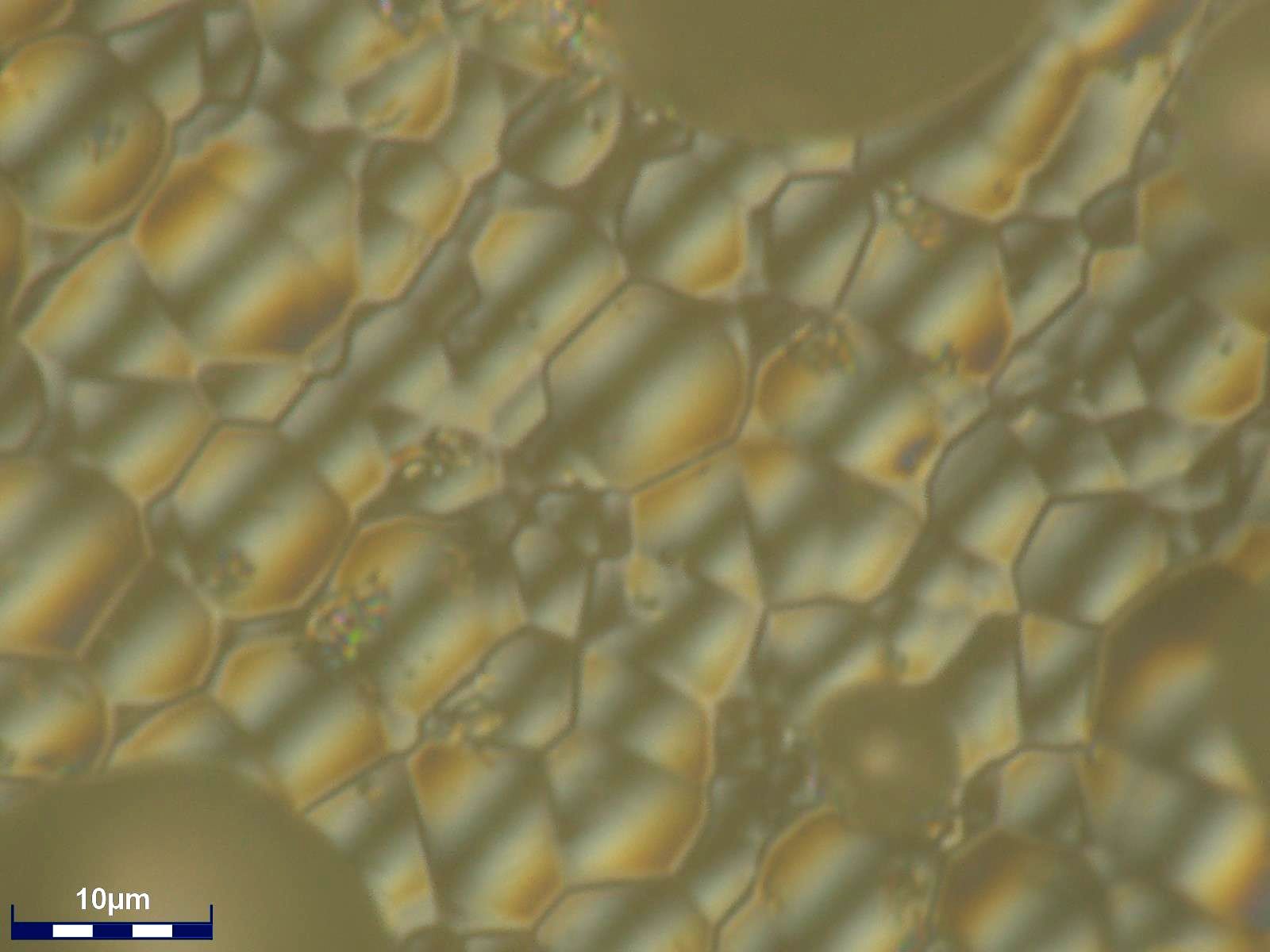
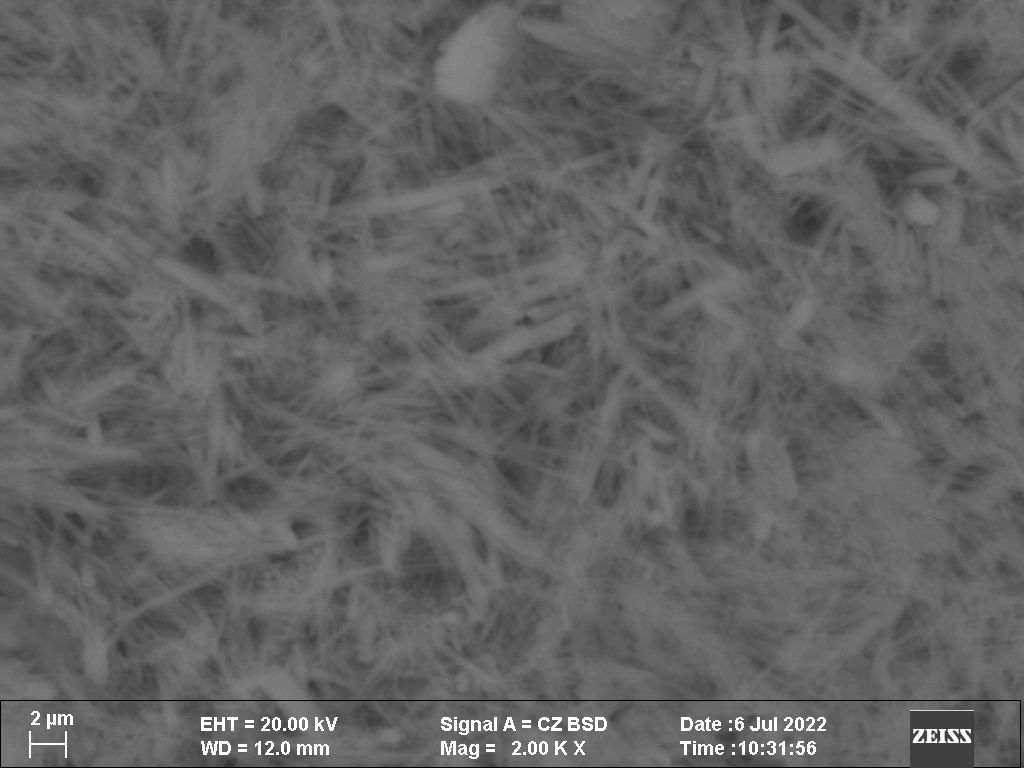
Microstructure library
Phases, grain structure, and heat-treat condition across alloys.
Often ordered together
Frequently asked questions
What does microstructure analysis evaluate?
Grain size and grain flow, inclusions and specks, porosity and bonding, surface deposits and coatings, unknown particles, material processing, and failure mechanisms and crack development.
What materials can you examine?
A wide range, including alloys, polymers, ceramics, and composites.
How is the sample prepared?
Through a controlled sequence of sectioning, mounting, polishing, and etching to reveal structural features, then imaging for interpretation.
Why does microstructure matter?
Cooling rate, heat treatment, alloying elements, and service conditions all leave their signature in the microstructure, giving engineers the evidence they need for material consistency and quality control.
What equipment do you use?
Optical and 3D microscopy plus scanning electron microscopy (SEM) with EDS, so structure and composition are characterized together.
Need to understand your material's structure?
Send us the part and the question. Our metallurgists will recommend the right preparation and microscopy and deliver a defensible report.