

Failure Analysis
Root-cause investigation of failed metals, polymers, and ceramics, determining whether a failure stems from inappropriate material selection, design, fabrication, operating conditions, or some combination of these factors. Our laboratory is in Stafford, Texas, serving Greater Houston, and we accept samples shipped from anywhere.
Laboratory
Metals · Polymers · Ceramics
SEM with SDD-EDS
PhD materials engineers
Failure analysis is worth doing when the same part could fail again. The investigation ends with a cause specific enough to act on, whether that means changing the material, the design, the fabrication route, or the way the equipment is operated.
What failure analysis answers
When a component fails, the essential question is why. Our failure analysis service investigates failures across metal alloys, polymers, and ceramics to establish whether the root cause lies in inappropriate material selection, design, fabrication, operating conditions, or some combination of these factors. The findings translate directly into corrective action: improved component performance, longer service life, and better overall quality and efficiency in your products and processes.
Equipment & methods
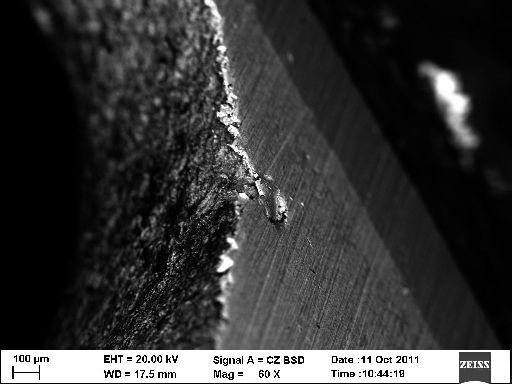
The heart of the investigation is a scanning electron microscope (SEM) equipped with a silicon-drift-detector (SDD) energy-dispersive X-ray spectrometer (EDS), backed by advanced imaging software and controlled sample-preparation techniques. This combination lets us image fracture surfaces at high magnification and identify the elemental makeup of deposits, inclusions, and corrosion products that point to the failure mechanism.
Expertise behind the analysis
Investigations are led by PhD-level materials engineers and supported by a network of chemists, finite-element analysts, and mechanical-engineer consultants. We draw on decades of internal experience together with access to tens of thousands of research articles on failure analysis and prevention.
Components we analyze
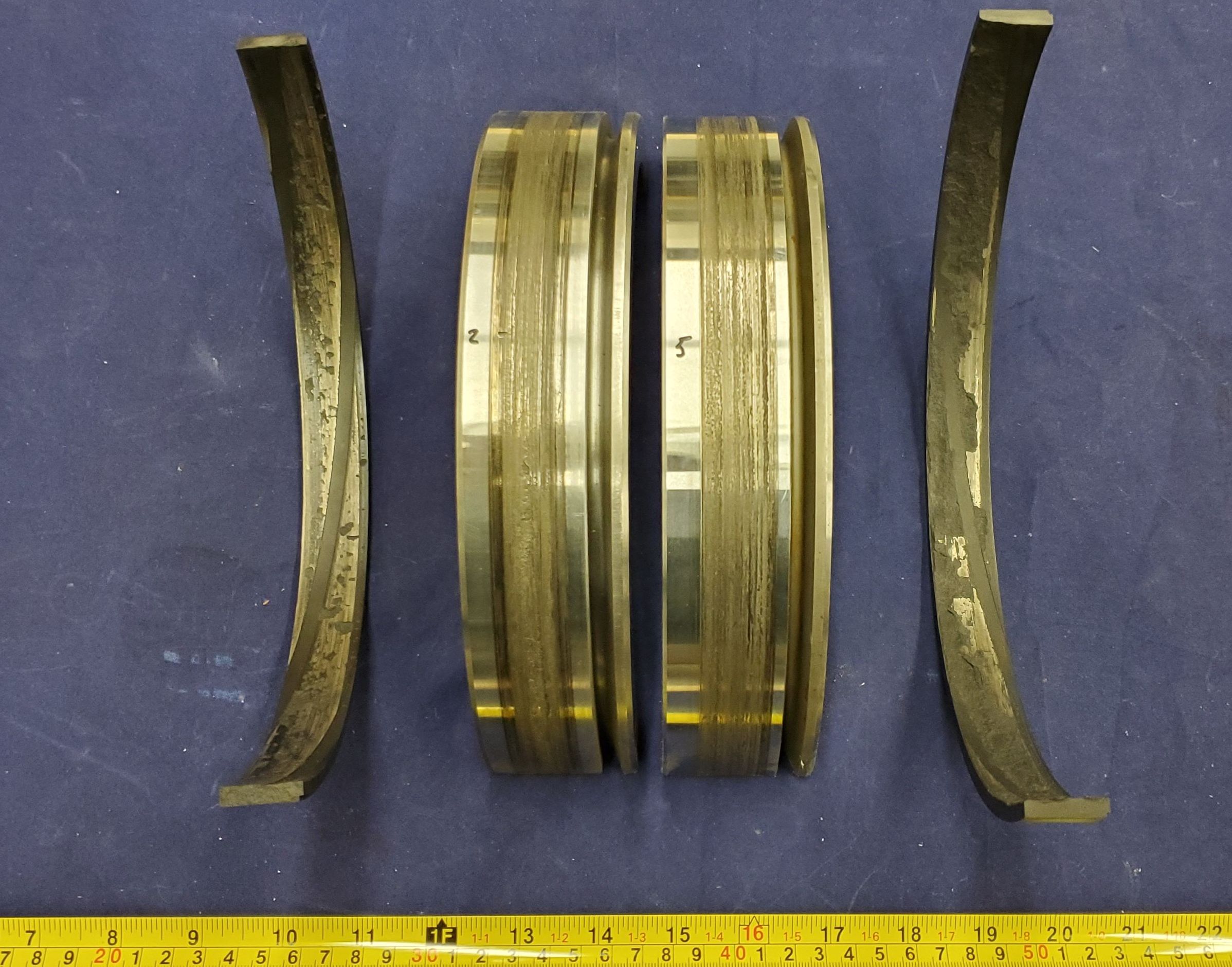
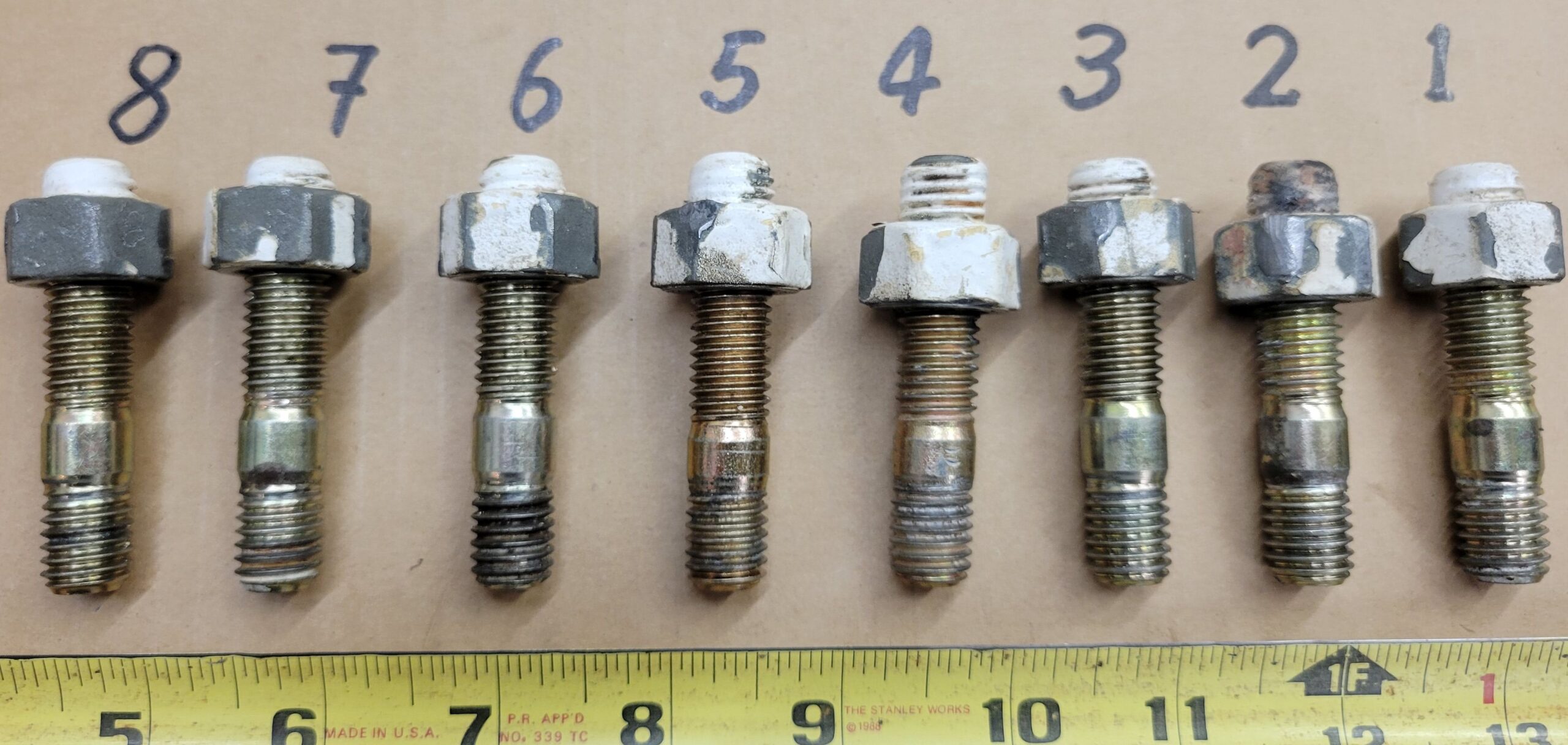
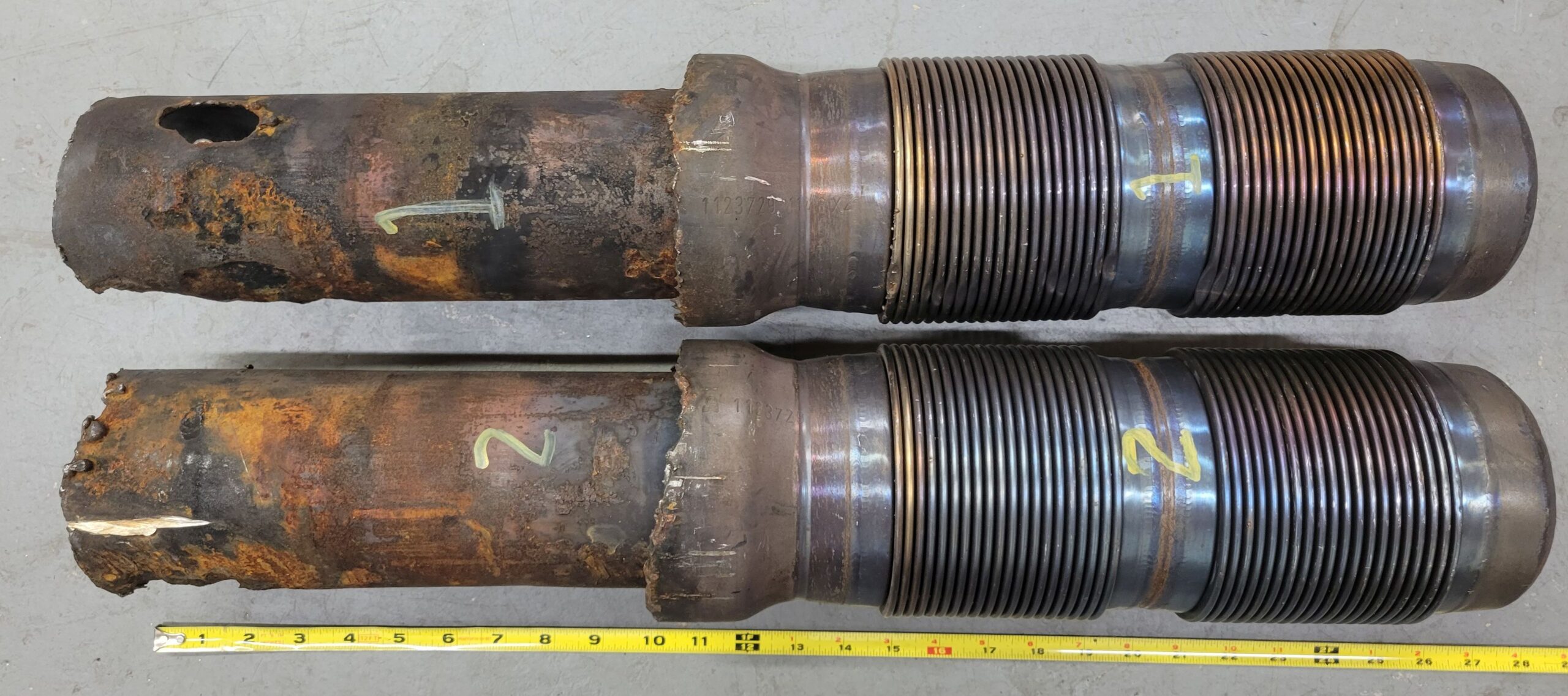
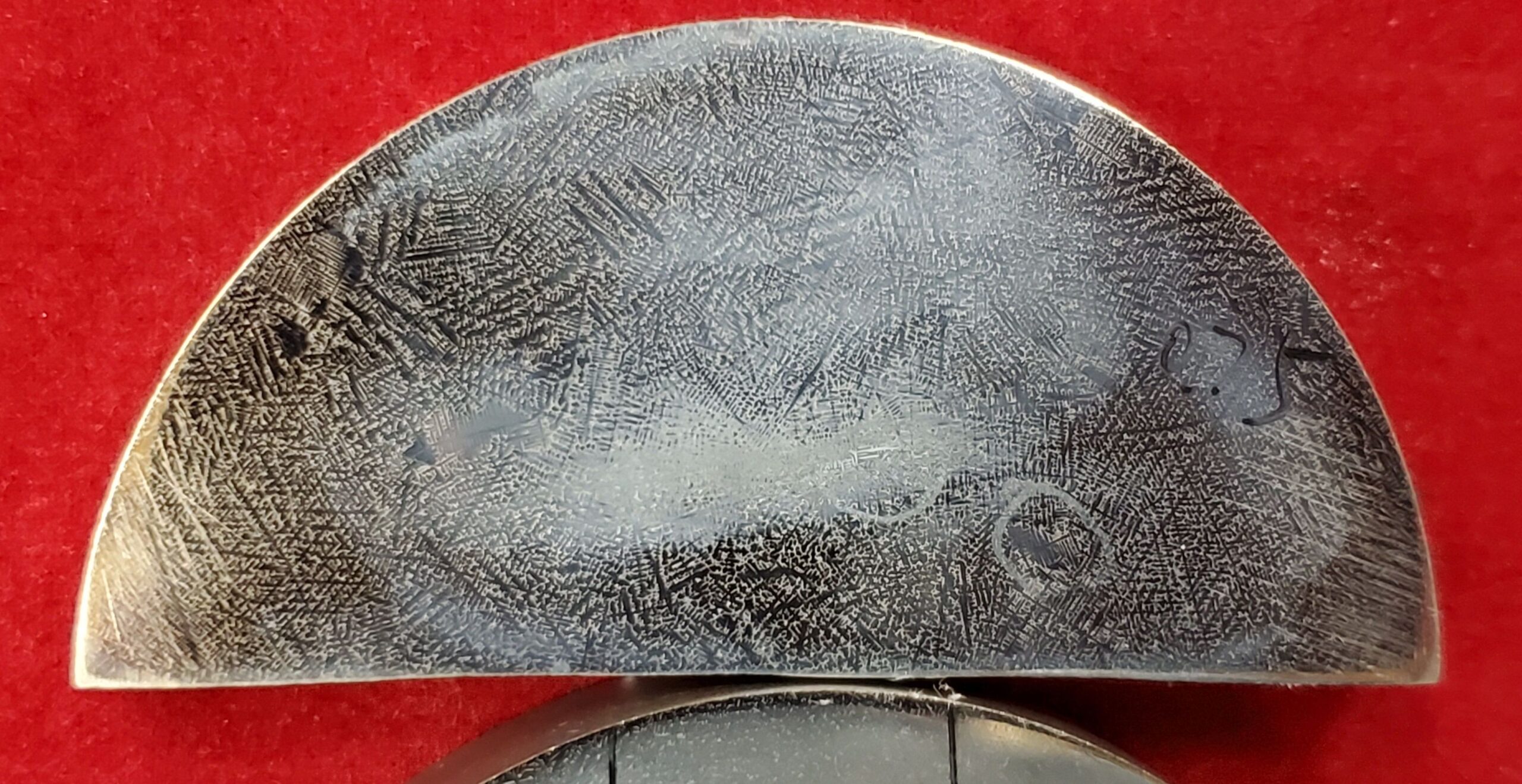
Typical items brought to our lab include:
- Mechanical equipment and pumps
- Heat exchangers and boiler tubes
- Pipelines and pressure vessels
- Forgings and castings
- Welds and brazes
- Tools and dies
Materials experience
Beyond standard metals and alloys, we have analyzed an unusually broad range of materials: cast iron, Teflon gaskets, glass liners, nickel-based brazes, silicon-nitride thermowell sheaths, zirconia mud-pump liners, oxide-dispersion-strengthened high-temperature alloys, Babbitt bearings, and rare-earth-element-modified magnesium alloys.
Failure investigations
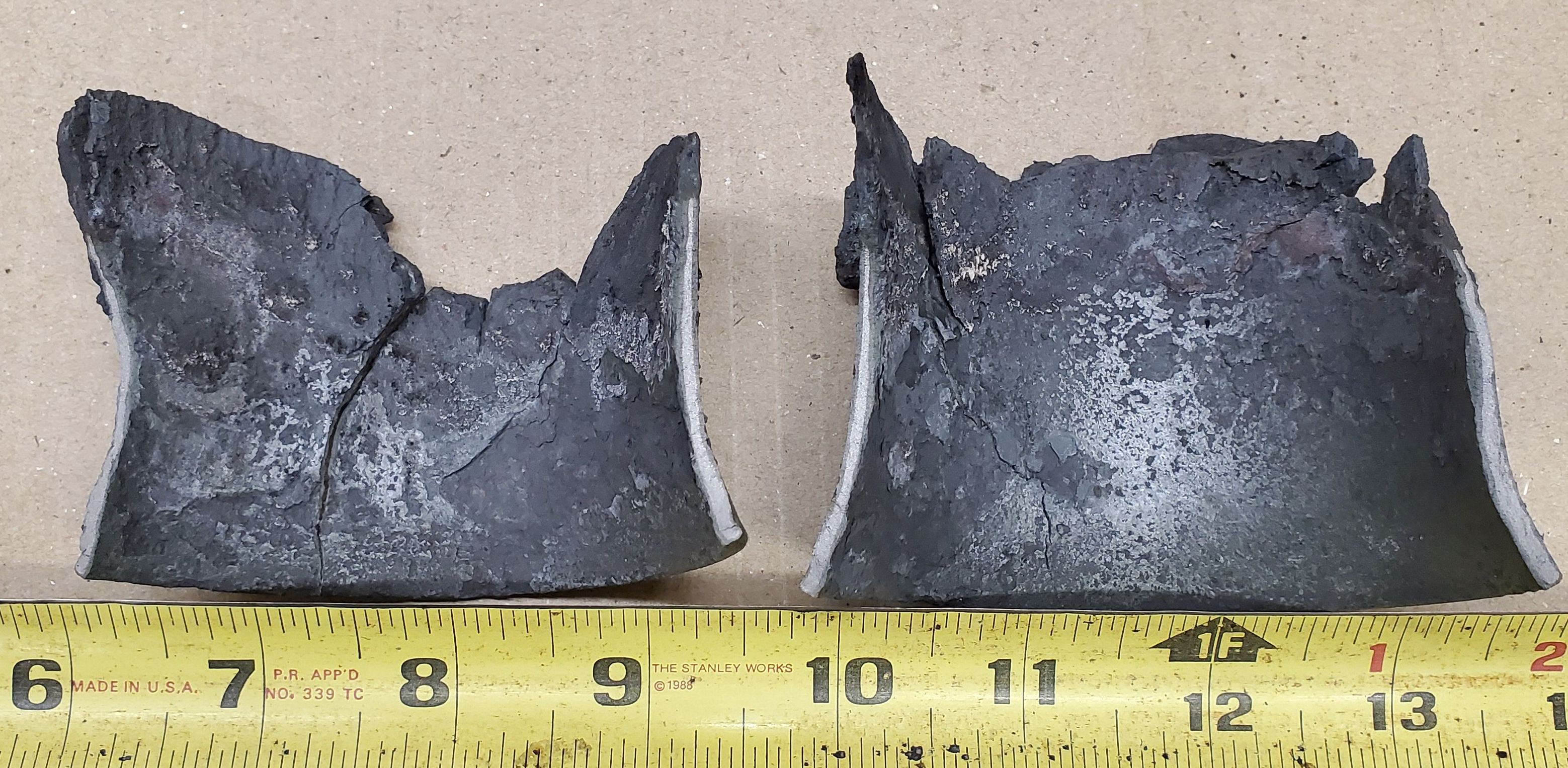
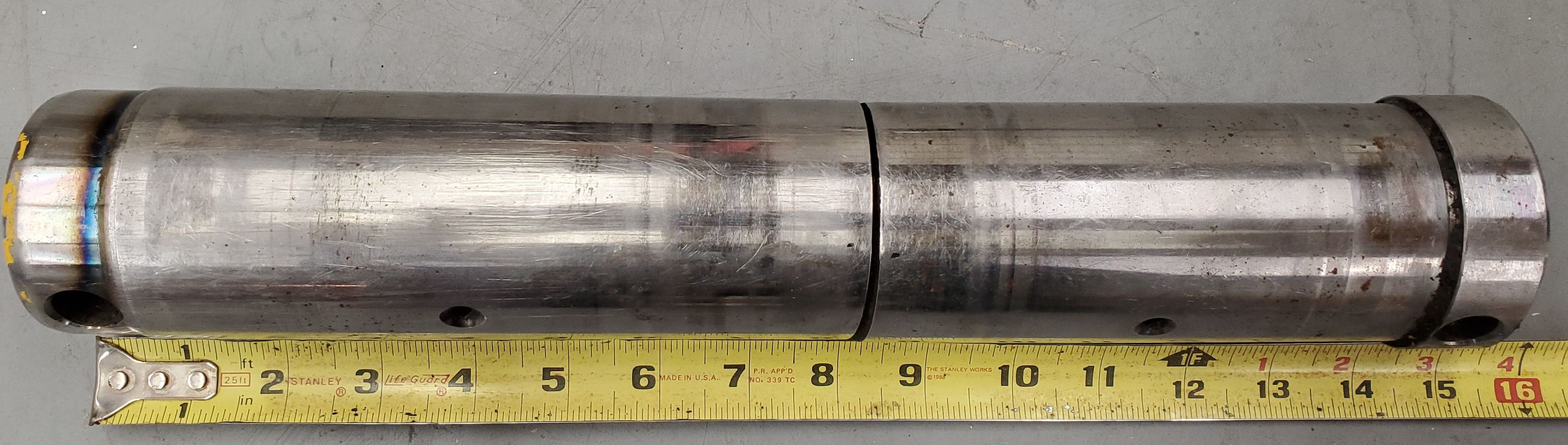
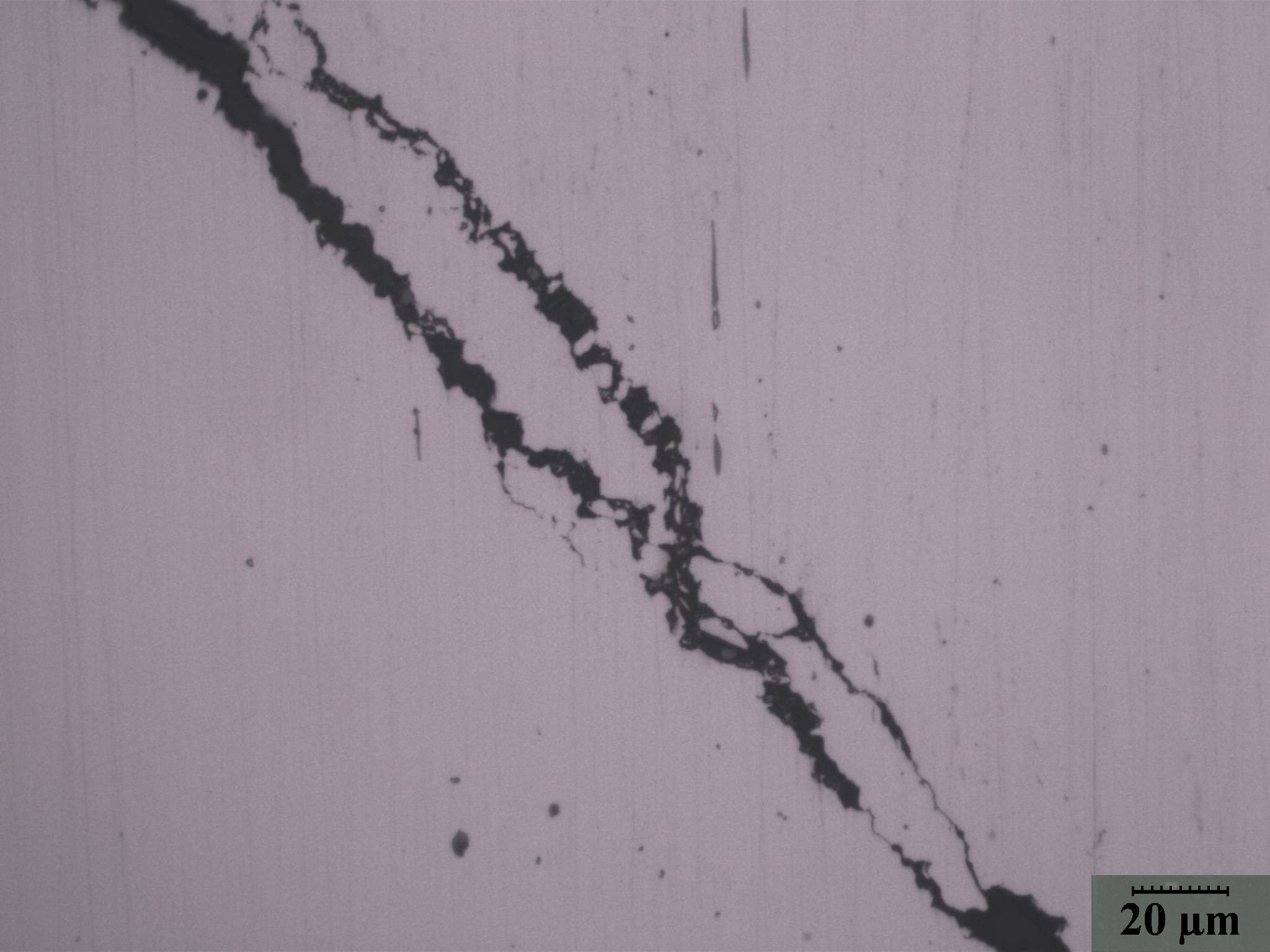
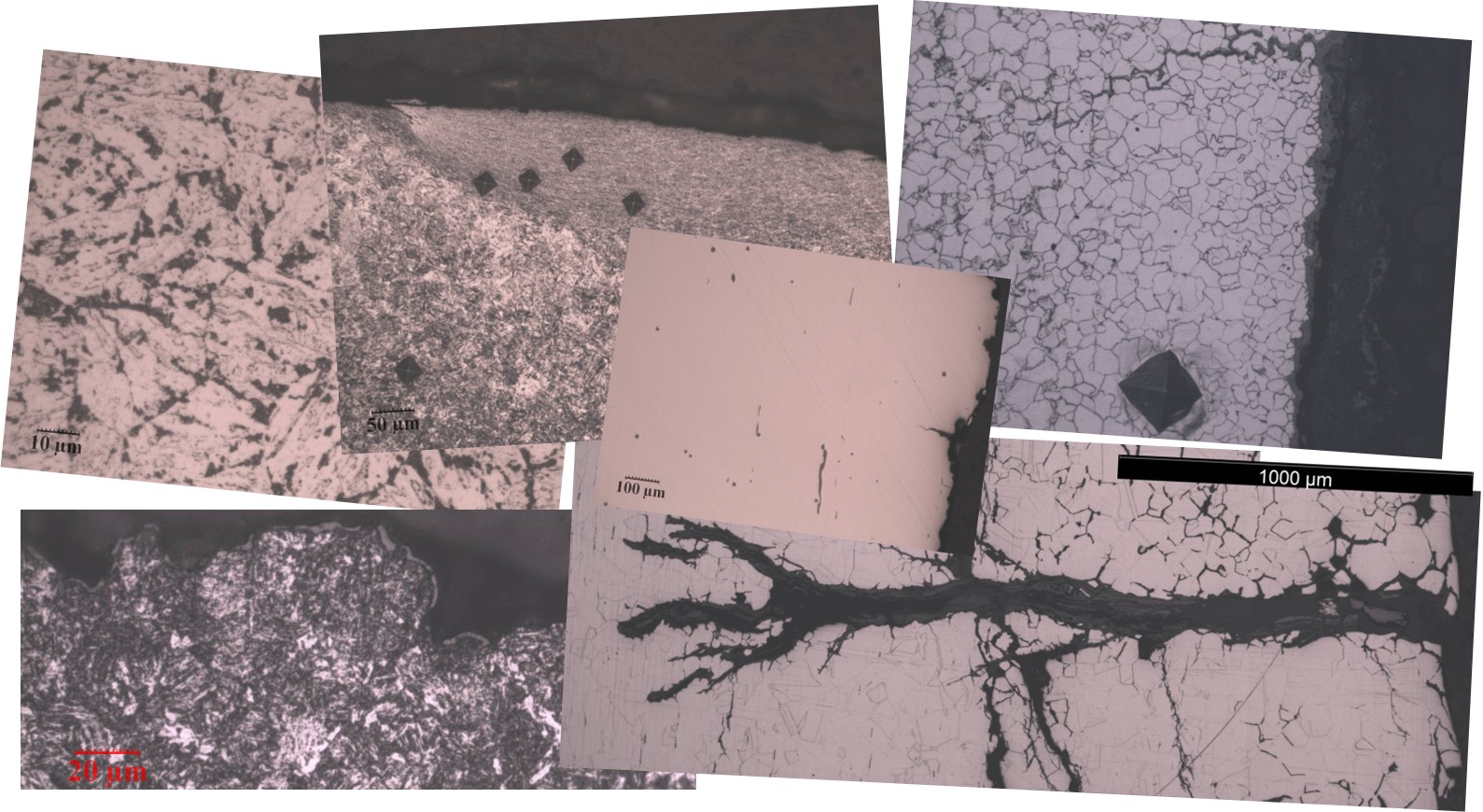
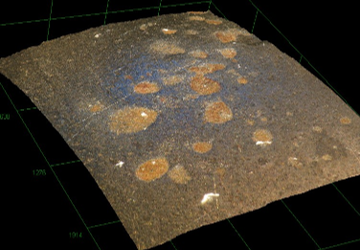
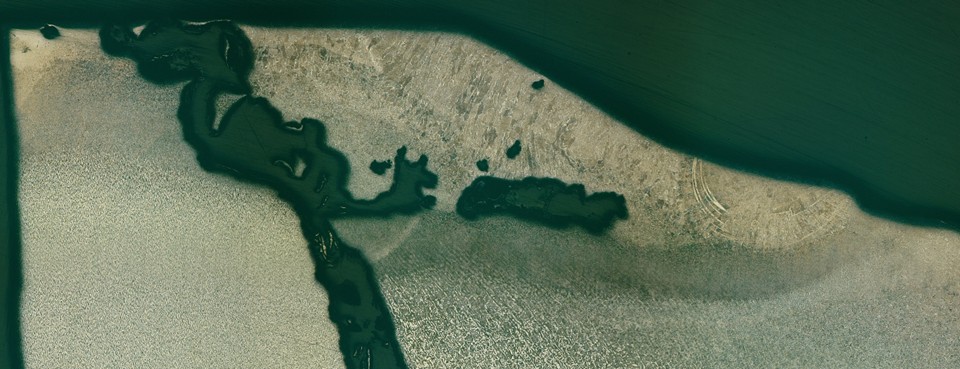
Fractures, cracks, and root-cause evidence from real cases.
Often ordered together
Metallographic Examination
Cross-sectional microstructure study that supplies the physical evidence for root cause.
View serviceSEM-EDS
High-magnification fractography and elemental micro-analysis of failure features.
View serviceCorrosion Analysis
Identifies corrosion mechanisms that frequently drive component failure.
View serviceFrequently asked questions
What does failure analysis determine?
The root cause of a failure, whether it stems from inappropriate material selection, design, fabrication, operating conditions, or some combination, along with the corrective action that follows.
What equipment do you use?
A scanning electron microscope (SEM) with a silicon-drift-detector (SDD) EDS spectrometer, advanced imaging software, and controlled sample preparation, letting us image fracture surfaces and identify the chemistry of deposits, inclusions, and corrosion products.
Who performs the analysis?
Investigations are led by PhD-level materials engineers, supported by a network of chemists, finite-element analysts, and mechanical-engineer consultants, drawing on decades of experience.
What kinds of components do you analyze?
Pumps and mechanical equipment, heat exchangers and boiler tubes, pipelines and pressure vessels, forgings and castings, welds and brazes, and tools and dies, among many others.
Can you analyze unusual or non-metallic materials?
Yes. Beyond standard metals we have analyzed cast iron, Teflon gaskets, glass liners, nickel-based brazes, silicon-nitride thermowell sheaths, zirconia liners, oxide-dispersion-strengthened alloys, Babbitt bearings, and rare-earth-modified magnesium alloys.
Need to know why it failed?
Send us the failed part and the circumstances around it. Our metallurgists will build the evidence, identify the root cause, and deliver a defensible report you can act on.