

In-Situ Metallography
Field metallography brings laboratory-quality microstructure analysis to large structures that cannot be moved, resolving grain, carbides, cracks, and unwanted phases directly on the component using portable preparation and field microscopy.
Field / On-Site
Up to 1000x
Non-destructive
HTHA · early SCC
In-situ metallography is chosen when the component cannot come to the laboratory. The vessel, header, or line stays where it is, and the examination goes to it, which is often the difference between a planned inspection and an unplanned outage.
What it is
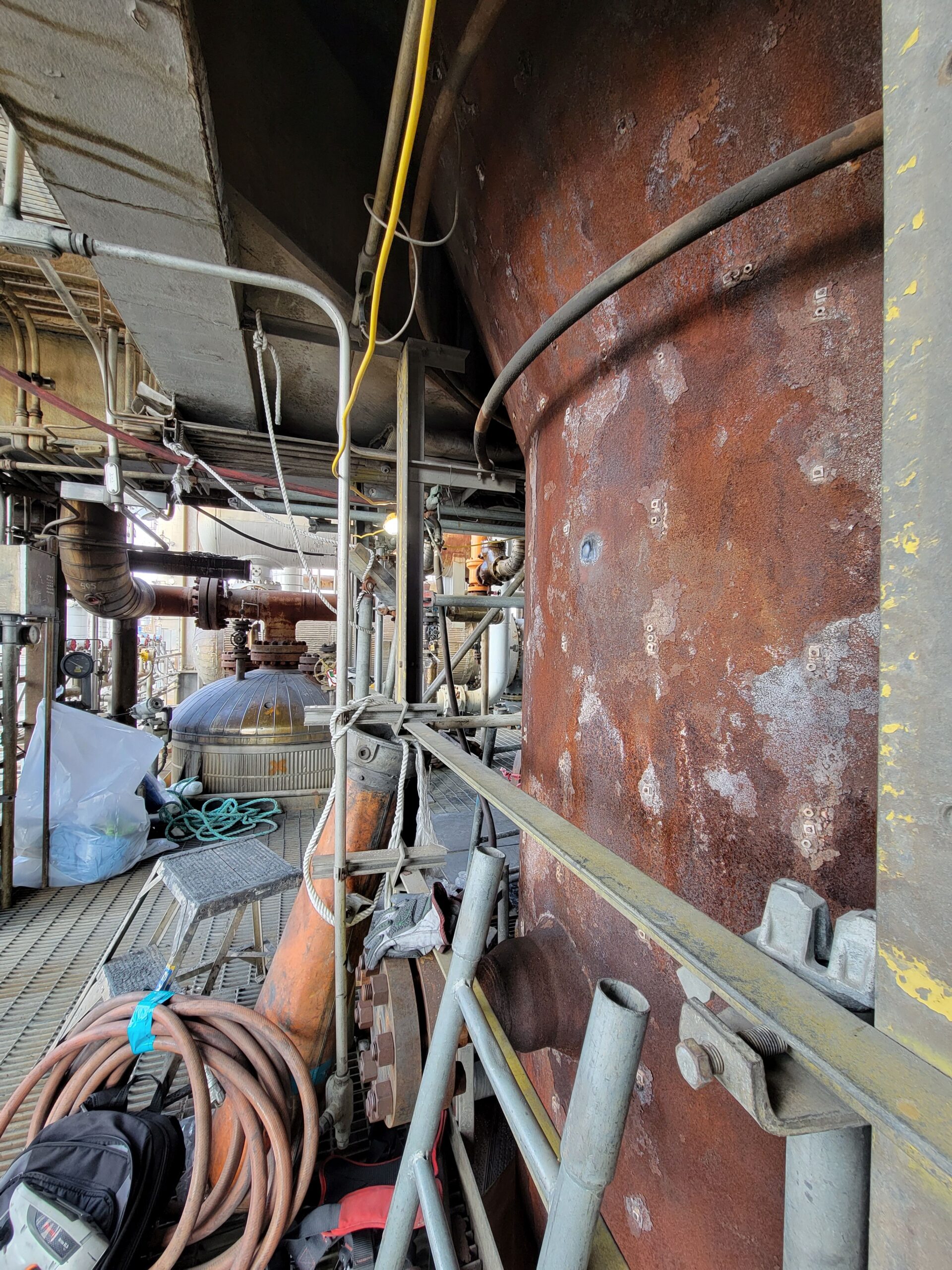
Field metallography is widely used for microstructure analysis of large structures that cannot easily be moved or where destructive sample preparation is impractical. It brings the examination to the asset (storage tanks, piping, machinery, boilers, and aging high-temperature pressure vessels) rather than the asset to the lab.
What it reveals
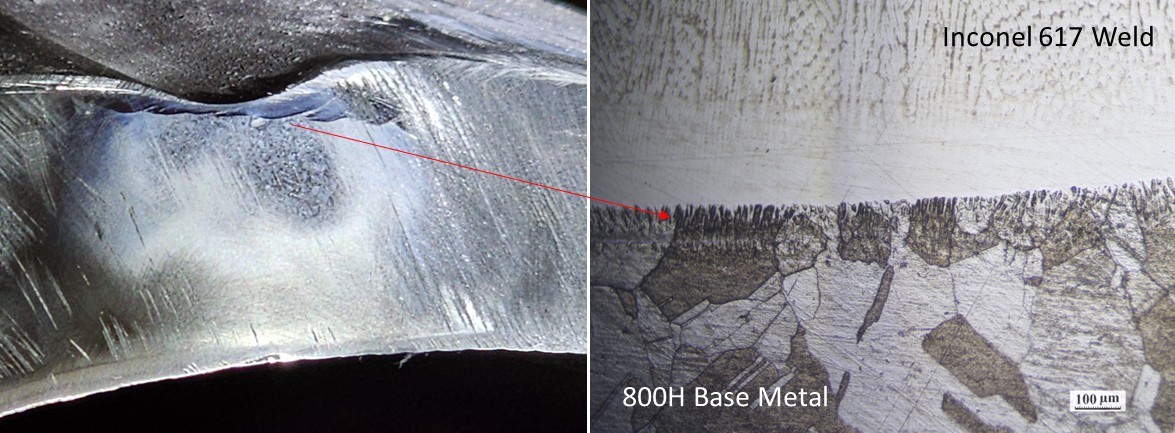
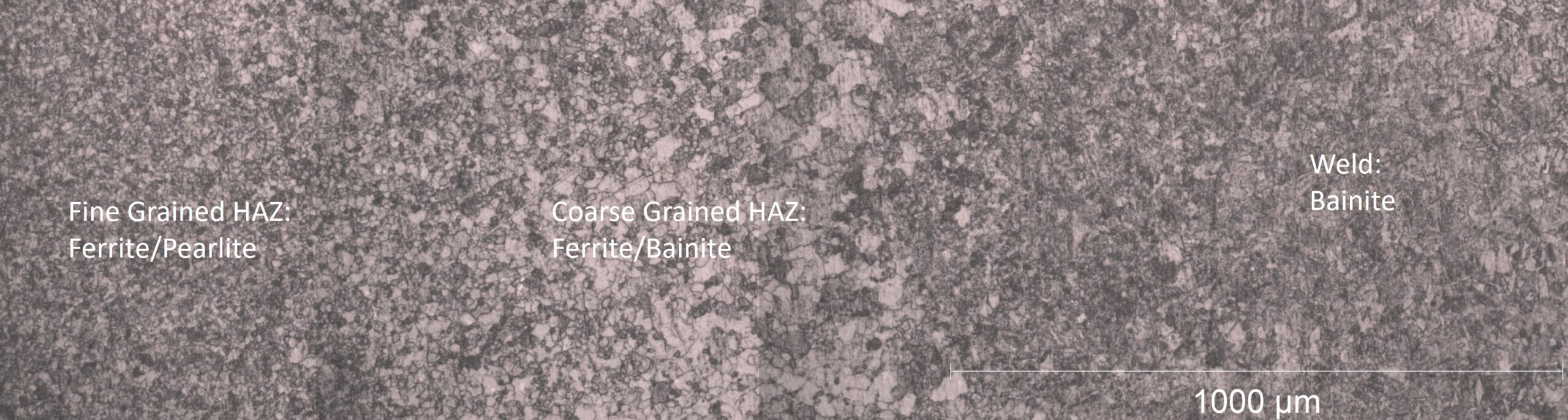
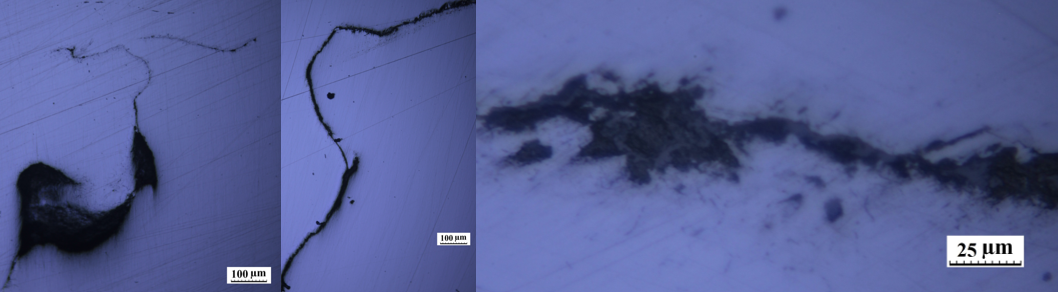
The technique enables rapid, on-site assessment of a component's metallurgical condition and heat-treatment status. Working with portable equipment, our analysts identify grain characteristics, carbide formations, cracks, and unwanted phases while maintaining quality equivalent to laboratory analysis. It is considered most effective for detecting high-temperature hydrogen attack (HTHA) and early-stage stress corrosion cracking.
Where it applies
- Materials identification
- Health monitoring of in-service equipment
- Remaining-life evaluations
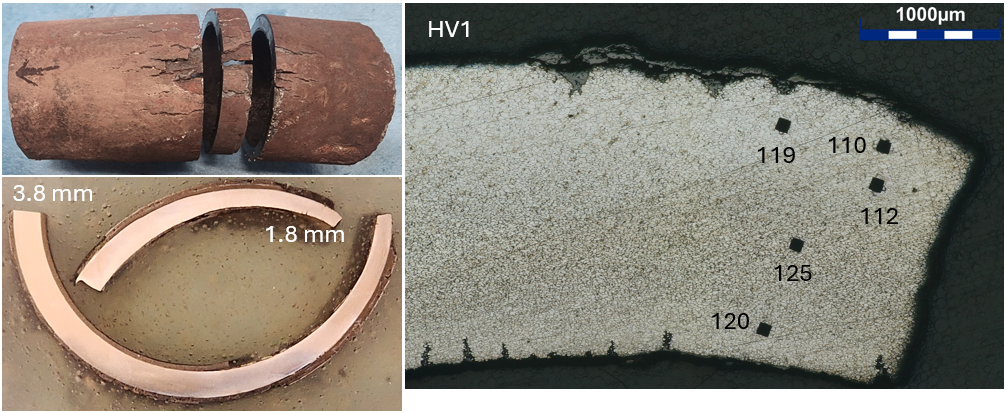
- Failure investigation work
How we do it
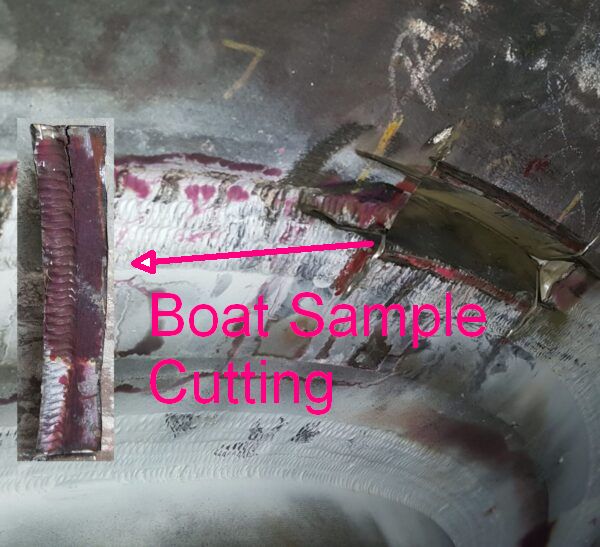
PMI Specialists uses portable grinding and polishing equipment to prepare the surface on-site, followed by field-microscope examination to verify polish quality. Chemical etchants then reveal the microstructural features, with electrochemical etching available when a particular alloy or condition requires it.
Advanced capabilities
We offer proprietary high-magnification micrography at 1000x and field replica services that capture the prepared surface for later optical or electron-microscope analysis back in the laboratory.
Field metallography
In-situ replication and microstructure on live plant equipment.
Often ordered together
Metallographic Examination
Laboratory microstructure study when a sample can be sectioned and mounted.
View serviceOn-Site Hardness Testing
Portable verification of welds and components without lab downtime.
View servicePositive Material Identification
Field alloy verification to confirm materials in place.
View serviceFrequently asked questions
What is in-situ (field) metallography?
It is microstructure analysis performed on the asset itself, such as storage tanks, piping, boilers, machinery, and aging high-temperature pressure vessels, instead of cutting a sample and sending it to a lab.
What can field metallography detect?
Grain characteristics, carbide formations, cracks, and unwanted phases. It is considered most effective for detecting high-temperature hydrogen attack (HTHA) and early-stage stress corrosion cracking.
Is the quality as good as lab metallography?
Yes. Working with portable grinding, polishing, etching, and field microscopy, our analysts maintain quality equivalent to laboratory analysis. Correct field technique matters, because poor procedure can introduce artifacts, so preparation and interpretation are done by an experienced team.
Can you capture the surface for later lab analysis?
Yes. We offer field replica services, plus proprietary high-magnification micrography at 1000x, so the prepared surface can be examined later by optical or electron microscopy.
When is field metallography used?
For materials identification, health monitoring of in-service equipment, remaining-life evaluations, and failure investigations, especially where destructive sampling is impractical.
Where do you perform it?
On-site wherever it is needed. We are based near Houston, Texas and deploy nationwide and worldwide.
Need microstructure answers in the field?
Tell us the asset and the concern. Our team brings the portable preparation and microscopy to your site and delivers lab-quality interpretation on location.