
Free Iron Testing (ASTM A380)
Free iron testing identifies free iron (ferroxyl) on metal surfaces, most often on nickel and stainless steel, where surface contamination makes materials more corrosion-prone and shortens their service life.
Field / On-Site
Ferroxyl · Copper sulfate
Nickel · stainless steel
Surface iron contamination
Free iron testing is normally called for after fabrication, grinding, or handling with carbon-steel tooling, and before a stainless or nickel component enters service, because embedded iron will rust and pit an alloy that was specified precisely so it would not.
What it is
Free iron testing is used to identify free iron on a metal surface. This test is mainly performed on nickel and stainless steel, where iron contamination left from fabrication, tooling, or handling can compromise an otherwise corrosion-resistant surface.
Why it matters
The presence of free iron on a metal surface makes the material more corrosion-prone and reduces its lifespan. Testing verifies material quality and enables more accurate predictions about how long a component will perform in service.
Testing methods
Ferroxyl test
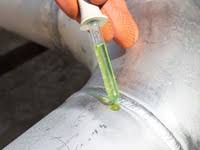
When ferroxyl (potassium ferricyanide) is in the presence of free iron on the surface of a metal, it reacts and changes to a blue color. This method detects even minimal surface contamination and is highly versatile.
Copper sulfate test
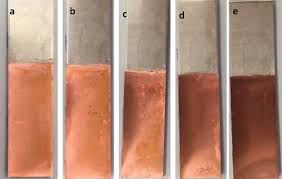
Copper sulfate acts as a less sensitive alternative to the ferroxyl test. When free iron is present, copper deposits create a bronze-colored sheen that persists after rinsing. However, it cannot be used on low-chromium stainless steels or certain other alloys.
How we deliver it
PMI Specialists employs experienced field technicians who perform these tests with precision and effectiveness as part of our field services offering, bringing surface-cleanliness verification to your site.
Free iron testing
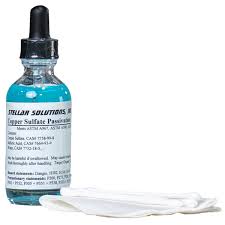
Often ordered together
Frequently asked questions
What is free iron testing?
A surface test that detects free iron on a metal surface, mainly on nickel and stainless steel, left from fabrication, tooling, or handling.
Why does free iron matter?
Free iron on the surface makes the material more corrosion-prone and reduces its service life. Testing verifies surface cleanliness and supports more accurate life predictions.
What methods do you use?
The ferroxyl test (potassium ferricyanide), which turns blue in the presence of free iron and detects even trace contamination, and the copper sulfate test, a less sensitive alternative that leaves a bronze sheen.
Which method is right for my alloy?
The ferroxyl test picks up even minimal contamination and suits the widest range of alloys. The copper sulfate test is a simpler check but cannot be used on low-chromium stainless steels or certain other alloys.
Is free iron testing done in the field?
Yes. It is part of our field services and our technicians perform it on-site. We are based near Houston, Texas and deploy nationwide and worldwide.
Need to confirm your surfaces are iron-free?
Tell us the alloy and the application. Our field technicians perform the right free iron test on-site and report a clear, defensible result.