Reverse Engineering
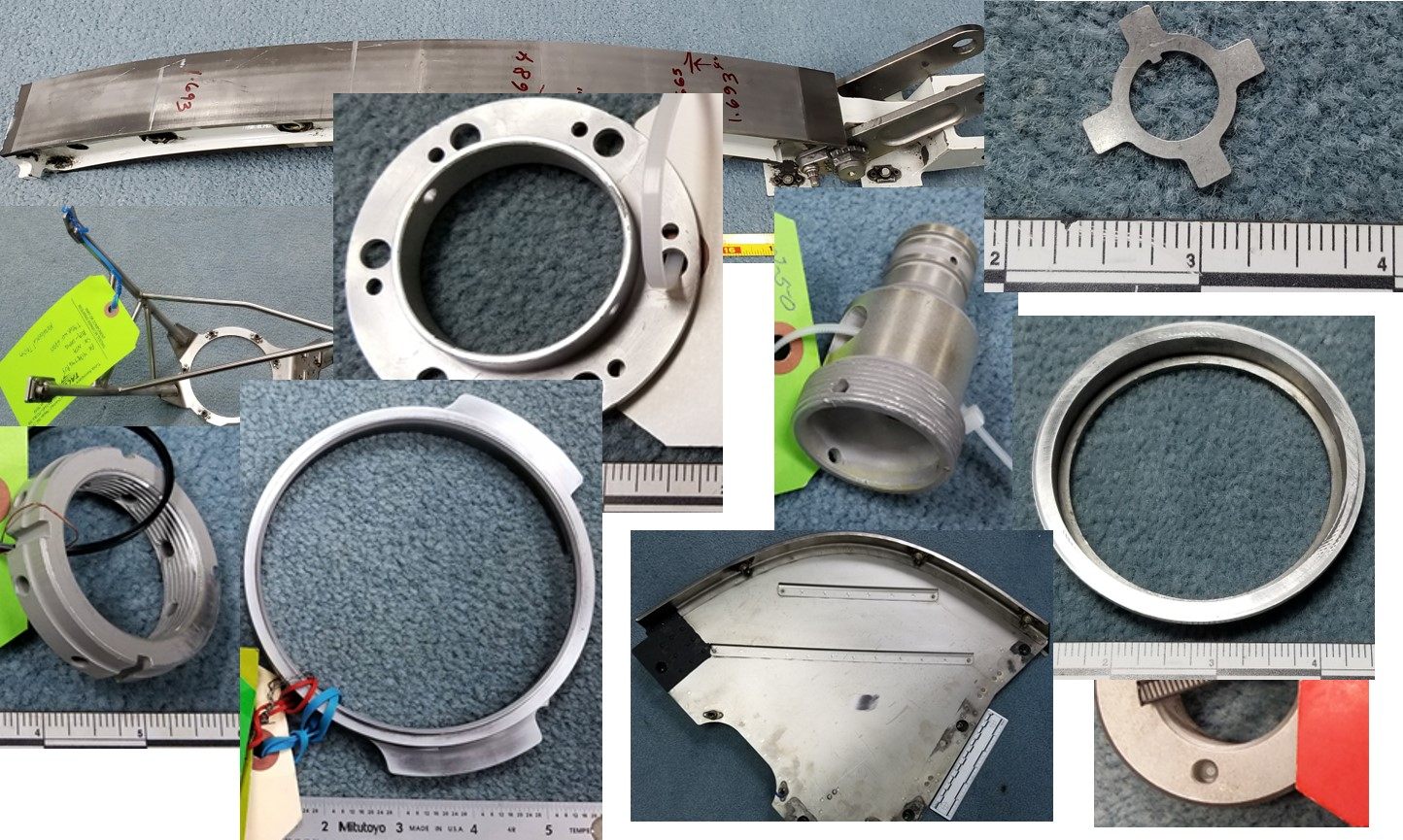
Reverse engineering is the process of discovering the technological principles of a device, object, or system through analysis of its structure, function, and operation: the answer when documentation is unavailable or the original manufacturer is no longer reachable.
Laboratory
LIBS · XRF · SEM-EDS
FTIR
Replica-ready spec
Reverse engineering reconstructs a part's complete material and process specification, its alloy composition, heat treatment, coatings, and form, when the original drawings are gone or the manufacturer is no longer reachable, so an exact replica can be made.
When you need it
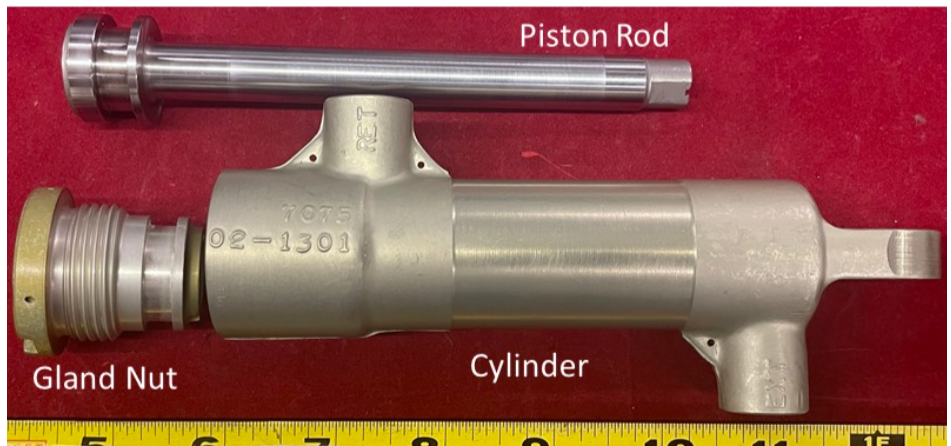
Reverse engineering is the process of discovering the technological principles of a device, object, or system through analysis of its structure, function, and operation. It becomes essential when the original drawings and specifications are unavailable, or when the manufacturer is no longer accessible. By characterizing the part completely, we give you all the information you need to manufacture an exact replica.
Chemical analysis
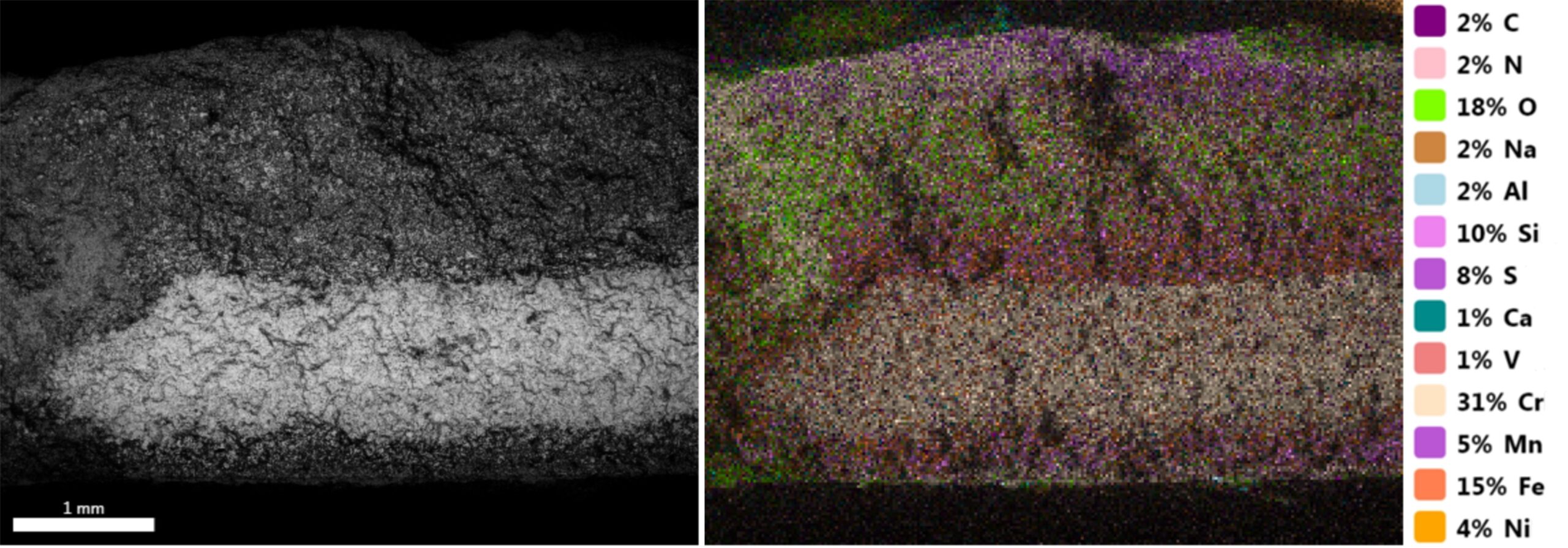
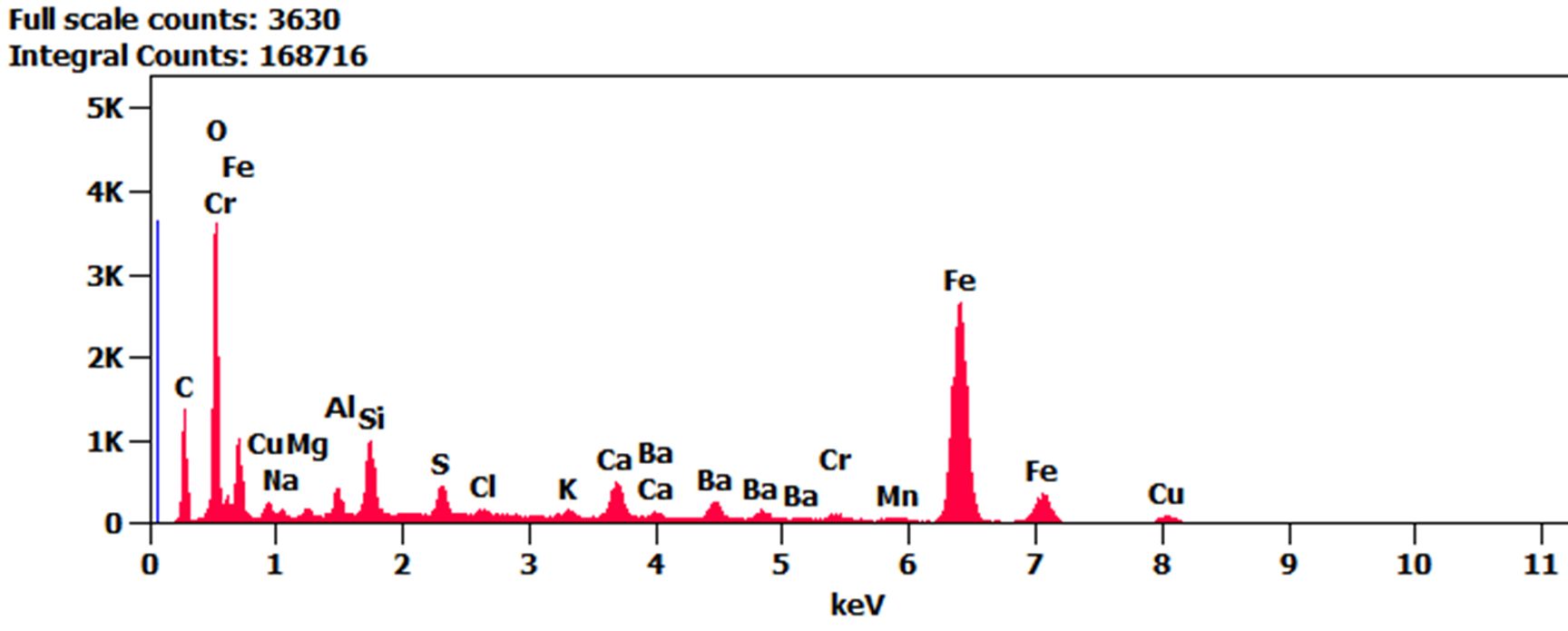
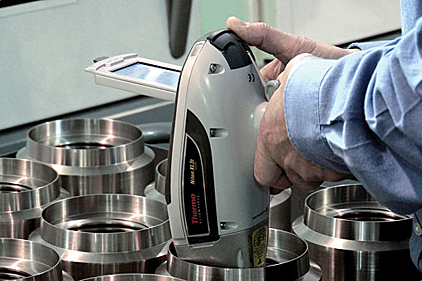
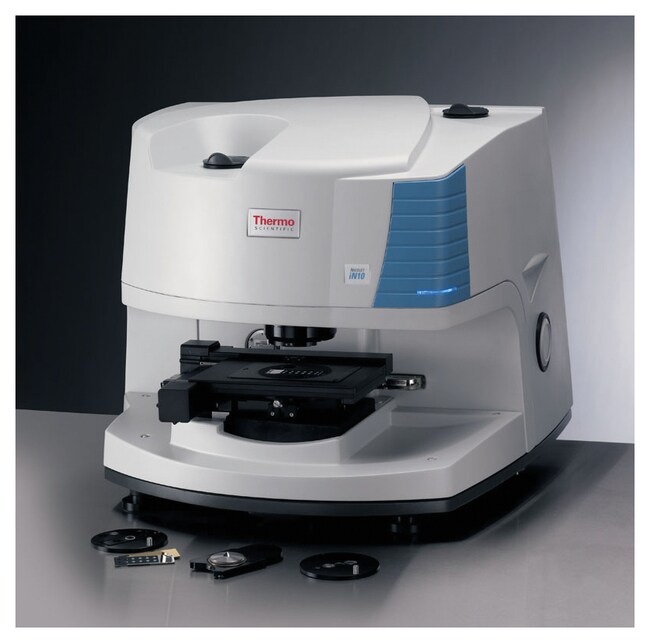
We identify materials and coatings using both destructive and non-destructive testing. LIBS, XRF, and SEM with EDS establish alloy composition, while FTIR characterizes organic and non-metallic components such as plastics and rubbers. We also test for carburization, heat-treatment completion, and surface treatments.
Metallographic analysis
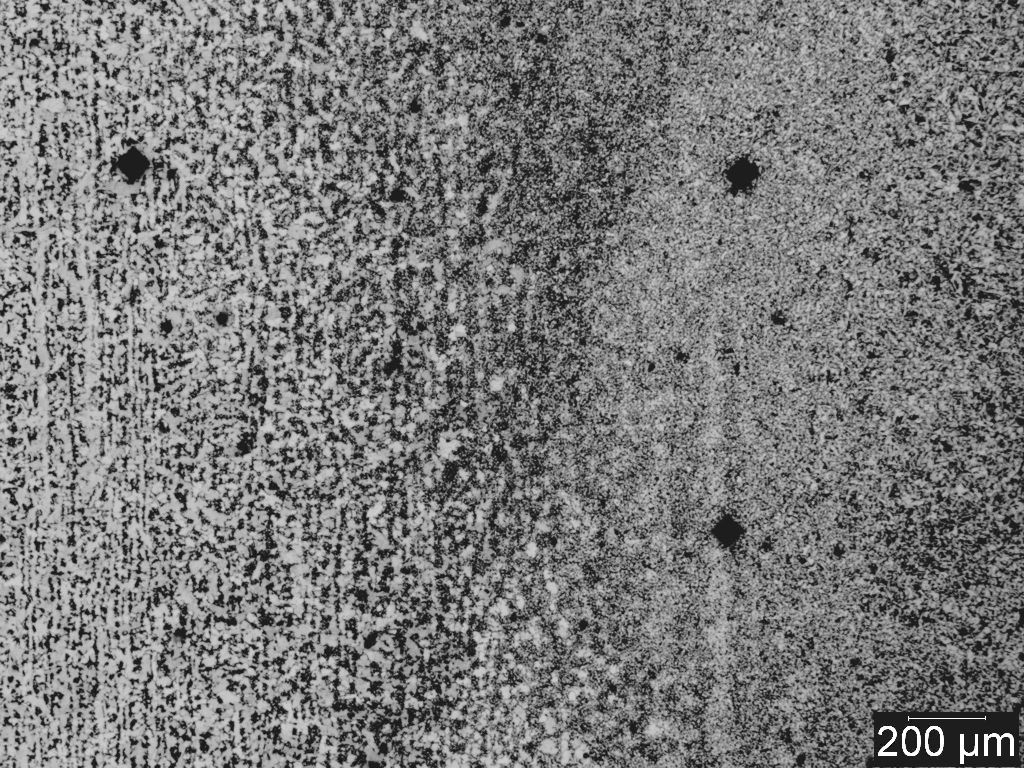
Microstructure reveals whether a component was cast, forged, or extruded, provides partial heat-treatment information, and identifies surface treatments such as carburizing or nitriding.
Hardness testing
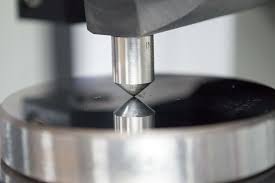
Micro-hardness testing by the Vickers and Knoop methods evaluates heat-treatment characteristics. Cross-sectional traverses reveal surface-treatment details and the extent of weld heat-affected zones.
Coating analysis
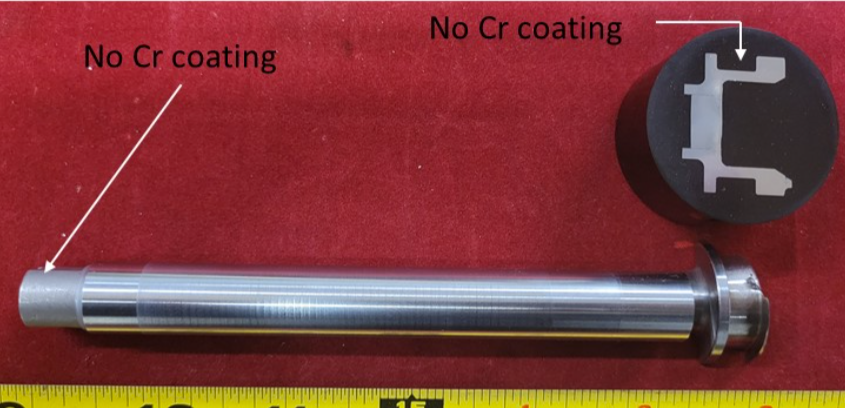
By combining metallographic examination, chemical analysis, and hardness testing, we determine the coating type, including:
- Plating
- Cladding
- Anodizing
- Phosphate coatings
- Conversion coatings
Reverse engineering
Chemistry, hardness, and microstructure to reconstruct a spec.
Often ordered together
Chemical Analysis
Alloy composition and non-metallic identification by LIBS, XRF, SEM-EDS, and FTIR.
View serviceMetallographic Examination
Reveals forming method, heat treatment, and surface treatments from microstructure.
View serviceHardness Testing
Vickers and Knoop micro-hardness to confirm heat-treatment condition.
View serviceFrequently asked questions
When do I need reverse engineering?
When the original drawings and specifications are unavailable, or the manufacturer is no longer accessible, and you need enough information to manufacture an exact replica.
How do you determine the material?
With LIBS, XRF, and SEM-EDS for alloy composition, FTIR for plastics and rubbers, and tests for carburization, heat-treatment completion, and surface treatments.
Is chemical composition enough to copy a part?
No. Form, heat treatment, and coatings all have to be captured too. We combine chemical analysis, metallography, and hardness testing to build a complete specification.
What does metallography add?
Microstructure reveals whether a component was cast, forged, or extruded, gives partial heat-treatment information, and identifies surface treatments such as carburizing or nitriding.
Can you identify coatings?
Yes. By combining metallographic examination, chemical analysis, and hardness testing we determine coating type, including plating, cladding, anodizing, phosphate, and conversion coatings.
Need to remake a part with no drawings?
Send us the component and we will characterize its composition, processing, and coatings, delivering the specification you need to manufacture an exact replica.